
Soups & Stews
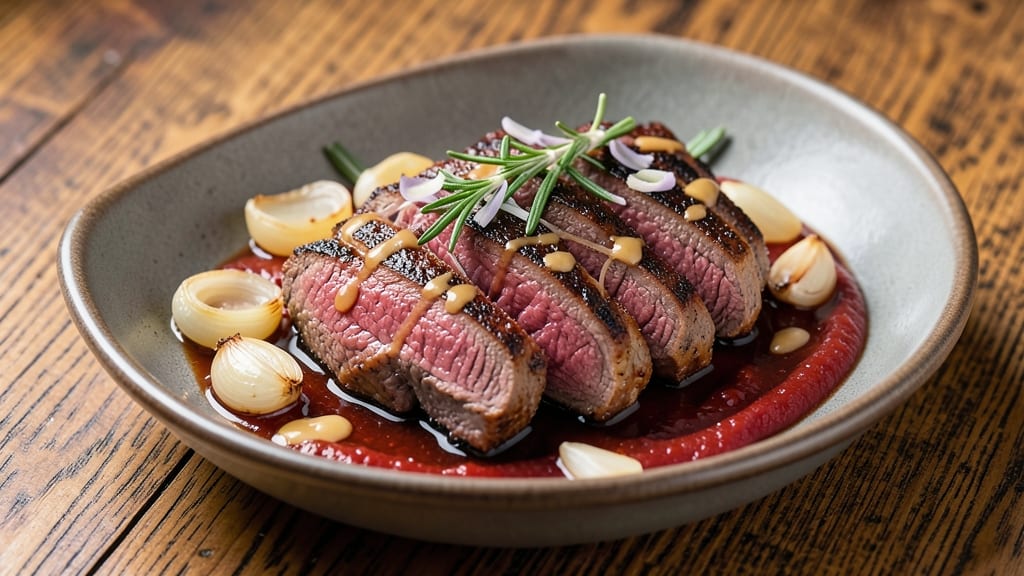
This beef Barolo recipe transforms tough cuts into melt-in-your-mouth perfection through slow braising and rich wine reduction. The Barolo wine—bold, tannic, and deeply aromatic—tenderizes the beef while building layers of caramelized fond that deepen the sauce's complexity.
What starts as a simple sear evolves into a restaurant-worthy dish that balances acidity, sweetness, and umami in every bite.
The secret lies in patience: searing the beef develops a flavorful crust, while the Barolo wine reduces slowly to create a velvety sauce that clings to tender meat. Unlike quick weeknight meals, this dish rewards time with depth—each sip of wine-infused sauce carries notes of dark fruit, leather, and spice.
The result is a dish that feels luxurious yet approachable, perfect for special occasions or when you crave a meal that tastes like a night out.
Pair this beef Barolo with creamy polenta or roasted root vegetables to soak up every last drop of sauce. The wine’s acidity cuts through the richness, while the caramelized fond adds a savory sweetness that lingers.
Whether you're cooking for a dinner party or treating yourself to a Sunday supper, this recipe delivers the kind of depth and satisfaction that makes it worth the wait.
Ready in about 3 hours (including prep and cooking), this dish is simpler than it sounds—just follow the steps, and the wine does most of the work. The key is letting the flavors meld, so resist the urge to rush.
By the final bite, you’ll understand why Barolo is one of Italy’s most celebrated wines for cooking.
Ingredients for beef barolo
Six aromatic herbs, two cups of bold Barolo, and patience transform tough beef into restaurant-quality richness.
| Ingredient | Amount | Notes |
|---|---|---|
| Chuck Roast 🥩 | 2 ½ lb | Pre-cut into 1.5-inch cubes |
| Barolo Wine 🍷 | 2 cups | Bold, dry, Italian variety |
| Beef Broth 💧 | 1 ½ cups | Low-sodium preferred |
| Tomato Paste 🍅 | 2 tbsp | Smooth, no sugar added |
| Garlic Cloves 🧄 | 6 cloves | Peeled, smashed slightly |
| Shallots 🧅 | 2 whole | Minced, about 0.25 cup |
| Fresh Rosemary 🌿 | ¼ cup | Chopped, stems removed |
| Fresh Thyme 🌿 | ¼ cup | Leaves only, stems removed |
| Olive Oil 🫒 | ½ cup | Extra-virgin for richness |
| Unsalted Butter 🧈 | 2 tbsp | Cold, for deglazing |
| Salt 🧂 | 1 ½ tsp | Diamond Crystal preferred |
| Black Peppercorns 🌶️ | 1 tsp | Freshly cracked |
| Granulated Sugar 🍚 | 1 tsp | Balances acidity |
| Fresh Bay Leaves 🍃 | 2 whole | For aromatic depth |
| All-Purpose Flour 🌾 | 1 tbsp | For thickening sauce |
The chuck roast is your secret weapon here—it's tough enough to handle the long cooking time but breaks down into tender perfection. Costco or Whole Foods usually carry it pre-cut, but if you're buying a whole roast, ask the butcher to cube it for you. Look for good marbling (those little white streaks of fat) because that's what keeps the meat juicy. The Barolo wine is non-negotiable—anything less than a bold, dry Italian Barolo will fall flat. If you can't find Barolo, Cabernet Sauvignon or Chianti are decent stand-ins, but the dish will lose some of its signature depth. Fresh herbs are worth hunting down: the rosemary and thyme should smell vibrant, not dusty.
No Barolo? Beef broth with a splash of balsamic vinegar works in a pinch, though the sauce won't have that same velvety richness. The tomato paste can be swapped for crushed tomatoes at half the amount if you're out, but don't skip it entirely—the acidity helps balance the wine's tannins. For the shallots, yellow onion works too, but shallots add a subtle sweetness that's worth the extra minute. The sugar might seem odd, but it's crucial to soften the wine's acidity and round out the flavors. If you're making this ahead, prep the aromatics (garlic, shallots, herbs) in advance—they'll keep in the fridge for 3 days wrapped tightly in plastic.
This dish tastes even better the next day, so make it when you have time to let it rest. The sauce thickens as it cools, so if it's too thin after chilling, just reheat it gently with a splash of water. Store leftovers in the fridge for 4-5 days or freeze for 3 months—the flavors only deepen over time. I always double the recipe because it's perfect for meal prep: portion the beef and sauce into containers, and you've got easy weeknight dinners for days. The caramelized fond at the bottom of the pot? That's gold—don't waste it. Deglaze it with a splash of wine or broth and add it back to the sauce for maximum richness.
Why You'll Love This Recipe
- One-Pot Magic: Between us, this dish is basically hands-off after the initial sear. Chuck roast goes in raw, wine deglazes, and the slow cooker does the rest—no flipping, no fussing, just rich, tender beef falling apart at the touch of a fork.
- Wine-Infused Umami Bomb: That Barolo doesn’t just add flavor—it transforms the dish. The deep, earthy notes cut through the richness of the beef while the tomato paste and garlic cloves build a sauce so velvety it’ll make you forget about takeout.
- Leftovers That Beg for More: Serve it once, then eat it twice—maybe even three times. The sauce thickens beautifully when reheated, and the beef stays juicy, perfect for sandwiches, pasta, or just straight from the pot with crusty bread.
- Budget-Friendly Feast: Chuck roast is the steakhouse’s secret weapon, and Barolo elevates it without breaking the bank. A single bottle stretches across two meals, and the rest of the ingredients? Pantry staples you already own. Dinner for four, under $30.
Step-by-step instructions for beef Barolo
Here's how to transform tough chuck roast into melt-in-your-mouth beef with deep wine and caramelized fond.
Sear the Chuck Roast for Maximum Flavor
Heat the 0.5 cup olive oil in a large Dutch oven over medium-high heat until it shimmers. Add the 2.5 lb chuck roast in a single layer and sear undisturbed for 3-4 minutes per side until deeply browned. I press down gently on the roast during the first minute—this prevents it from curling and ensures even contact with the pan.
Remove the roast and set it aside. The goal here is to create a rich, browned crust called the fond that will dissolve into the wine later, adding incredible depth of flavor. If you see any browned bits sticking to the bottom, don't scrape them—we'll deglaze later to capture every bit of flavor.
Build the Aromatic Base with Shallots and Garlic
In the same Dutch oven, reduce heat to medium and add 2 tbsp unsalted butter. Once melted, add the 2 whole shallots and 6 cloves garlic cloves, cooking for 3-4 minutes until softened but not browned. You'll smell that sweet, nutty aroma—this is where the foundation of your sauce begins.
Stir in the 2 tbsp tomato paste and cook for 1 minute until it darkens slightly. This step develops the umami base that will carry through the entire dish. The tomato paste also helps balance the acidity of the Barolo wine we're about to add.
Deglaze and Reduce with Barolo Wine
Pour in the 2 cups Barolo Wine and scrape up all those browned bits from the bottom of the pan using a wooden spoon. This is called deglazing, and it's where the magic happens—those bits contain concentrated flavor that would otherwise go to waste.
Bring the mixture to a simmer and let it reduce by half, which should take about 8-10 minutes. You'll notice the color deepening from ruby red to a rich mahogany hue. This reduction process intensifies the wine's flavors and creates the velvety texture that makes this dish so special. Don't rush this step—patience here makes all the difference.
Simmer with Herbs and Broth for Deep Flavor
Return the seared chuck roast to the Dutch oven. Add the 1.5 cups beef broth, 1.5 tsp salt, 1 tsp black peppercorns, 1 tsp granulated sugar, 2 whole fresh bay leaves, 0.25 cup fresh rosemary, and 0.25 cup fresh thyme. Bring to a gentle simmer, then cover and transfer to a 325°F oven.
Braise for 2.5-3 hours until the beef is fork-tender. Here's the thing—I know it seems like a long time, but this slow cooking transforms the tough chuck roast into melt-in-your-mouth beef. Check occasionally and add a splash of water if the liquid reduces too much. The beef is done when it easily pulls apart with two forks.
Thicken the Sauce and Finish
Once the beef is tender, remove it from the Dutch oven and set it aside. Increase heat to medium-high and sprinkle in the 1 tbsp all-purpose flour, stirring constantly for 1-2 minutes until the sauce thickens slightly. This step creates that perfect sauce consistency that clings beautifully to the beef.
Return the beef to the sauce and let it soak up those rich flavors for 5 minutes off the heat. Serve immediately with crusty bread or polenta to soak up every last drop of that luxurious wine sauce. The result should be tender, flavorful beef with a sauce that's rich, velvety, and full of depth from the reduced Barolo wine.
Pro Tips For Making Beef Barolo
- SEAR THE ROAST LONG: Don’t rush the brown—let that chuck roast sit in a screaming-hot pan for 8-10 minutes per side until it’s deep mahogany, not just pink. I used to cut corners here, and the sauce never tasted as rich. The crust locks in flavor and caramelizes the fond, which dissolves into the Barolo for depth.
- DEGLAZE WITH WINE IMMEDIATELY: As soon as you pull the roast out, hit that pan with ½ cup Barolo right away—don’t let the fond cool or it’ll turn to paste. Scrape every bit off the bottom with a wooden spoon; this step makes a real difference in how much wine flavor actually sticks to the meat.
- USE OLD BAROLO (YES, REALLY): Skip the fancy new bottle—dig out that dusty Barolo from your rack (5+ years old) or grab a "reserva" from the store. The older, tannic wine cuts through the beef’s richness better than young, fruity Barolo, which can taste sharp and one-dimensional. (Your wallet will thank you too.)
- SAVE TIME WITH COLD START: No need to thaw the chuck roast—just pat it dry and sear it straight from the fridge. The cold meat cooks more evenly and won’t release juices too fast, keeping the sauce from turning into a thin, winey broth. (I know, I know—it feels counterintuitive, but it works.)
Creative variations of beef barolo
Wine Swaps
Barolo is the star, but don’t fret if you can’t find it. A bold, dry red wine like Cabernet Sauvignon or Chianti Classico works in a pinch—just reduce the liquid by 10% longer to compensate for lower tannins.
For a non-wine option, use 2 cups beef broth + 1 tbsp balsamic vinegar, but the sauce will lack that signature depth. I’ve even used dry Port for a dessert-like richness, though it’s sweeter and pairs better with pork. 🍷
Protein Variations
While chuck roast is ideal, this technique works beautifully with short ribs or pork shoulder. For ribs, braise for 2.5 hours and finish with a quick sear in the oven. Pork shoulder benefits from an extra 30 minutes of braising time.
If you’re feeling adventurous, try venison—its gamey flavor marries perfectly with Barolo’s earthy notes, but reduce cooking time to 2 hours. 🥩
Sauce Enhancements
Elevate the sauce with 1 tbsp unsalted butter swirled in at the end for a silky finish. For a touch of sweetness, add 1 tsp honey during the final reduction. If you love umami, stir in 1 tsp soy sauce (trust me, it blends seamlessly).
For a smoky twist, add ½ tsp smoked paprika with the tomato paste. Each tweak deepens the sauce’s complexity without overpowering the wine’s elegance. 🌟
Vegetable Add-Ins
Roasted root vegetables—like carrots, parsnips, or celery root—add texture and sweetness. Toss them in the Dutch oven with the beef during the last 45 minutes of braising. For a lighter touch, sauté mushrooms with the shallots or add spinach at the end for a pop of color.
I love finishing with toasted hazelnuts for crunch and a nutty contrast. 🥕
Global Twists
For a French bistro vibe, replace rosemary with tarragon and thyme with parsley. A Spanish version swaps Barolo for Rioja and adds smoked paprika. For a Middle Eastern twist, use pomegranate molasses (1 tbsp) with the tomato paste and top with toasted pine nuts.
Each adaptation keeps the braising technique intact while introducing exciting new flavors. 🌍
Make-Ahead Magic
This dish tastes even better the next day! Let it cool, then refrigerate for up to 4 days. The flavors meld beautifully overnight. For a freezer-friendly version, portion the beef and sauce into airtight containers.
Reheat gently with a splash of broth or wine to restore richness. Pro tip: Freeze the sauce separately if you plan to reheat it multiple times—it thickens as it cools. 💫
Nutrition facts
Frequently asked questions
Can I substitute Barolo wine with something else?
If you can't find Barolo, use Cabernet Sauvignon or Chianti Classico—just reduce the liquid by 10% longer since these wines have lower tannins. For a non-wine option, mix 2 cups beef broth + 1 tbsp balsamic vinegar, though the sauce won't have the same depth. Dry Port works too but adds sweetness, better suited for pork.
How do I know when the beef is fully tender?
The beef is done when it easily pulls apart with two forks. After 2.5-3 hours of braising, test a piece—if it separates cleanly, it's ready. If not, return it to the oven for another 30 minutes. Overcooking can dry it out, so check frequently.
Can I make this recipe in a slow cooker?
Yes! Brown the beef first, then transfer everything to a slow cooker and cook on low for 7-8 hours. The sauce may be thinner, so reduce it on the stovetop afterward. For best results, use a Dutch oven or heavy pot for deeper flavor development.
Why does the recipe call for sugar?
The 1 tsp sugar balances the wine's acidity, rounding out the flavors. It's a small amount—just enough to soften the tannins and enhance the sauce's richness. If you're avoiding sugar, omit it, but the sauce may taste slightly sharper.
How do I reheat leftovers without drying the beef?
Reheat gently in the sauce with a splash of beef broth or wine to restore moisture. Cover and warm on low heat for 10-15 minutes, or reheat in the oven at 300°F for 20 minutes. Avoid microwaving—it can make the beef tough.