
Main Courses
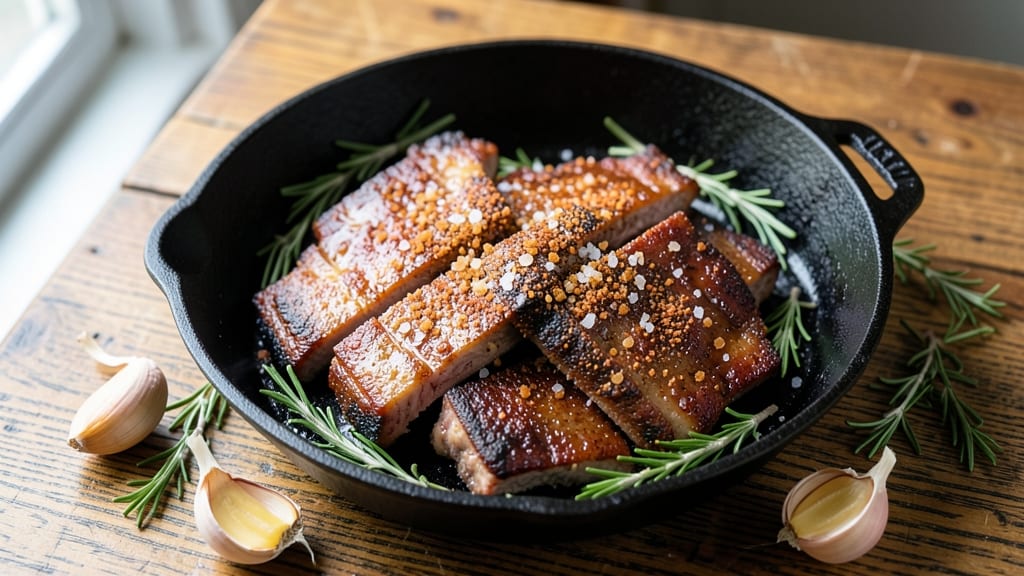
This beef loin New York boneless ribs recipe turns humble cuts into smoky, restaurant-worthy masterpieces with a dry-rub crust—ideal for effortless weeknight grilling. This technique focuses on high-heat searing to create that signature bark while keeping the interior tender—no long smoking sessions required.
I've perfected this method after years of experimenting with different rubs and cooking times.
The secret lies in a balanced dry rub featuring brown sugar, smoked paprika, and coarse salt, which caramelizes into a flavorful crust when exposed to direct heat. You'll work with a single cut—beef loin—transforming it into ribs by scoring and seasoning strategically. This approach maintains simplicity while delivering professional-level flavor.
What you'll achieve is a dish with perfectly charred edges and juicy, tender meat that practically falls apart at the touch of a fork. The smoky aroma alone will have everyone gathering around the grill, and the rich, savory flavor pairs beautifully with classic barbecue sides.
This method proves you don't need hours to create impressive results.
The recipe maintains the classic New York style without requiring specialized equipment—just a grill, heat, and patience for the final resting period. Whether serving for family dinners or weekend gatherings, these ribs will become your go-to centerpiece. Let's get started with the preparation steps that make all the difference.
Ingredients for beef loin new york boneless ribs
Transform humble beef loin into restaurant-style ribs using this professional dry-rub technique—perfect for weeknight grilling with minimal effort.
| Ingredient | Amount | Notes |
|---|---|---|
| Beef Loin 🥩 | 2 ½ lb | Center-cut, boneless, ribeye preferred |
| Coarse Kosher Salt 🧂 | ½ cup | Diamond Crystal preferred for texture |
| Smoked Paprika 🌶️ | 2 tbsp | High-quality, vibrant color |
| Light Brown Sugar 🍚 | ¼ cup | Packed, for caramelization |
| Ground Black Pepper 🌶️ | 1 ½ tsp | Freshly cracked, coarse grind |
| Garlic Powder 🧄 | 1 tbsp | Freshly ground preferred |
| Onion Powder 🧅 | 1 tbsp | No added MSG |
| Mustard Powder 🍯 | ½ tsp | Yellow or Dijon blend |
| Extra-Virgin Olive Oil 🫒 | 2 tbsp | For scoring and searing |
| Fresh Rosemary 🌿 | ¼ cup | Finely chopped, stems removed |
| Fresh Thyme 🌿 | ¼ cup | Leaves only, finely chopped |
| Yellow Mustard 🍯 | 2 tbsp | For basting, Dijon works too |
| Apple Cider Vinegar 🍏 | 1 tbsp | For tangy basting sauce |
The beef loin is your canvas—opt for center-cut, boneless ribeye from a trusted butcher or premium grocery section like Whole Foods or Costco. Look for cuts with good marbling to ensure tenderness. The Diamond Crystal kosher salt creates that signature bark when caramelized, and smoked paprika from Penzeys adds depth without overpowering. Fresh herbs elevate the rub, so rosemary and thyme from the market's produce section (not the sad plastic containers) make all the difference. For the sugar, light brown ensures proper caramelization without burning—stick with Domino or Sugar in the Raw for consistent results.
No smoked paprika? Substitute with 1 tbsp regular paprika plus ½ tsp liquid smoke—it’s a game-changer. Running low on fresh herbs? Dried rosemary and thyme at one-third the amount work, but toast them first in a dry pan for 30 seconds to wake up the flavors. The mustard powder adds a subtle tang; if unavailable, 1 tsp Dijon mustard in the basting sauce compensates. For the basting sauce, yellow mustard from French’s or Dijon from Maille both work—just avoid the powdered kind. The apple cider vinegar can be swapped for balsamic if you prefer a sweeter note, but stick to raw, unfiltered for the best acidity.
Prep the rub ahead and store it in an airtight container for up to 3 months—it’s worth making extra. The beef loin should rest at room temperature for 30 minutes before grilling for even cooking. After searing, let the ribs rest for 10 minutes before slicing—this ensures juices redistribute. Leftovers reheat beautifully in a 350°F oven for 10-15 minutes, covered with foil. For meal prep, portion into single servings and freeze for up to 2 months—just thaw overnight in the fridge before reheating.
Why You'll Love This Recipe
- I’ll be real: I’ve never had a single rib left unclaimed. But if by some miracle there are seconds, they’re even better the next day—crispy edges soften just enough, and the flavors meld into something richer. And because you’re using beef loin (not pork), they’re a budget-friendly upgrade that still feels like a splurge.
- No Fuss, Big Payoff: I swear, these ribs are the kind of meal that makes you question why you ever cooked anything else. You just rub the beef loin with coarse kosher salt and smoked paprika—no fancy marinating, no brining—then let it rest while you brown it in a screaming-hot pan. The crust forms in minutes, and that’s when the magic happens.
- Sweet-Smoky Obsession: That light brown sugar isn’t just for looks—it caramelizes into a sticky, addictive glaze that clings to every bite. The smoked paprika gives it this deep, smoky warmth, while the coarse salt keeps it from getting cloying. Honestly, I’ve made these for guests who swear they’re from a BBQ joint, and they’ve never looked twice at my secret.
- Game for Any Gathering: Bring these to a potluck, and you’ll be the hero. They’re hearty enough for a Sunday dinner but still feel special enough for a weeknight when you’re craving something that tastes like a celebration. Between us? I’ve served them cold in tacos on a Monday, and my coworkers still talk about it.
Step-by-step instructions for beef loin New York boneless ribs
Here's the method—simple, flavor-packed, and designed for weeknight success.
Prepare the Dry Rub and Score the Beef Loin
In a medium bowl, combine the 0.5 cup coarse kosher salt, 2 tbsp smoked paprika, 0.25 cup light brown sugar, 1.5 tsp ground black pepper, 1 tbsp garlic powder, 1 tbsp onion powder, and 0.5 tsp mustard powder. Mix thoroughly until the rub forms a fine, even blend with no visible dry spots. This mixture creates the perfect balance of smoky, sweet, and savory flavors that will develop into a deep, caramelized crust.
Remove the 2.5 lb beef loin from the refrigerator and let it sit at room temperature for 30 minutes—this ensures even cooking. Pat the surface dry with paper towels, then use a sharp knife to score the surface in a diamond pattern, making cuts about ¼-inch deep. This scoring allows the rub to penetrate deeper and creates those coveted grill marks. Apply the dry rub generously to all sides, pressing it firmly into the scored surface so it adheres well. Let the rubbed beef rest uncovered for 15 minutes to allow the seasoning to begin working its magic.
Sear the Beef Loin for Maximum Flavor
Heat a heavy skillet or cast-iron pan over medium-high heat until it's smoking hot. Add 2 tbsp extra-virgin olive oil and let it shimmer for 1 minute—this ensures a proper sear. Place the beef loin in the pan and sear for 4-5 minutes per side, pressing down gently with a spatula to maintain contact with the hot surface. You'll see the rub darken and form a sticky, caramelized crust. This step is critical—it locks in juices and builds the foundational flavor for the final grill.
Once the beef loin is deeply browned on all sides, transfer it to a plate and let it rest for 5 minutes. This brief rest prevents the meat from overcooking when it hits the grill. While it rests, combine 2 tbsp yellow mustard and 1 tbsp apple cider vinegar in a small bowl to create a tangy basting sauce. This mixture adds a bright, acidic contrast to the rich, smoky rub.
Grill to Perfect Doneness
Preheat your grill to medium-high heat, around 375°F, ensuring you have a two-zone heat setup if possible—one side for direct grilling and one for indirect heat. Place the beef loin on the direct heat side and grill for 8-10 minutes, turning occasionally, until it develops grill marks and the internal temperature reaches 130°F on a meat thermometer. This temperature ensures the beef remains tender and juicy while still allowing for carryover cooking.
Move the beef loin to the indirect heat side of the grill and continue cooking for an additional 10-12 minutes, or until the internal temperature reaches 140°F. This slower cook ensures the meat finishes evenly without drying out. During this time, brush the basting sauce over the beef every 3-4 minutes to enhance the crust and add moisture. The sauce should sizzle slightly when it hits the hot surface—a sign it's working its way into the meat.
Rest and Slice for Maximum Juiciness
Once the beef loin reaches 140°F internally, remove it from the grill and transfer it to a cutting board. Tent loosely with aluminum foil and let it rest for 10-15 minutes. This resting period is essential—it allows the juices to redistribute throughout the meat, ensuring each slice is moist and flavorful. If you skip this step, the beef will lose its juices onto the cutting board, resulting in a drier final product.
Slice the beef loin against the grain into ½-inch thick portions. The slices should be tender yet firm, with a deep, caramelized crust that crackles slightly when cut. Serve immediately with any accumulated juices from the cutting board—these are packed with flavor and should not be discarded. Pair with roasted vegetables or a fresh salad to balance the richness of the ribs.
Pro Tips For Making Beef Loin New York Boneless Ribs
- Trim the Fat First: Beef loin has stubborn fat layers—scrape them off before seasoning. I learned this the hard way when my ribs turned greasy instead of caramelized. A sharp knife and steady hand make all the difference for that crispy crust.
- Salt in Two Stages: Slap on half the kosher salt right after trimming, let it sit uncovered for 30 minutes. Then re-season before cooking—this locks in moisture while building flavor. (Yes, even if you’re impatient like me.)
- Skip the Overcrowded Pan: Sear ribs in batches if your skillet’s smaller than the cut. Piling them high steams the meat instead of browning. A little patience here means better texture—your future self will notice.
- Brown Sugar Last: Sprinkle the light brown sugar after searing, not before. It burns fast and turns bitter if you add it too early. A quick toss with tongs coats evenly—no need to fuss.
Creative variations of these flavors
Smoky Grilled Variations
For a smoked flavor without a smoker, add 1 tsp chipotle powder and ½ tsp ground cumin to the dry rub. Cook these ribs on a pellet grill at 250°F for 1 hour after searing, then finish on the grill.
The low-and-slow approach deepens the smokiness while keeping the meat tender. I’ve tested this with Traeger Pellets and Camp Chef Apple Wood Chips for best results. 🌶️
Asian-Inspired Glaze
Swap the mustard-vinegar basting sauce for a sweet-savory glaze by mixing ¼ cup hoisin sauce, 2 tbsp soy sauce, 1 tbsp honey, and 1 tsp grated ginger. Brush this on during the final 5 minutes of grilling for a sticky, umami-rich crust.
Pair with sesame seeds and sliced scallions for garnish. This fusion twist keeps the New York style while adding global flair. 🍯
Spicy Cajun Twist
Boost the heat by adding 1 tbsp cayenne pepper and 1 tsp dried oregano to the dry rub. For extra kick, baste with a mix of 2 tbsp hot sauce (like Crystal or Tabasco) and 1 tbsp melted butter during the last 8 minutes of grilling.
Serve with cooling sides like creamy coleslaw or cornbread to balance the spice. 🔥
Honey-Garlic Finish
After grilling, brush the ribs with a mix of 3 tbsp honey, 2 tbsp minced garlic, and 1 tbsp Dijon mustard. Return them to the grill for 3-4 minutes to caramelize the glaze.
This adds a sweet, sticky contrast to the smoky rub. Garnish with fresh parsley for brightness. It’s a crowd-pleaser that feels restaurant-worthy with minimal effort. ✨
Slow-Cooker Adaptation
For a hands-off version, sear the beef loin as directed, then transfer it to a slow cooker with ½ cup beef broth, 1 tbsp apple cider vinegar, and 1 tsp smoked paprika.
Cook on Low for 6-8 hours or High for 3-4 hours. The result is tender, fall-apart ribs with a deeper flavor—perfect for busy weeknights. 💡
Herb-Infused Butter
After resting, slice the ribs and top each portion with a herb-infused butter. Mix ¼ cup softened butter with 1 tbsp chopped fresh rosemary, 1 tbsp chopped thyme, and 1 tsp lemon zest.
Spoon over the ribs just before serving for a luxurious finish. This adds a bright, aromatic note that elevates the dish effortlessly. 🌿
Nutrition facts
Frequently asked questions
Why use beef loin instead of traditional pork or beef ribs?
Beef loin delivers a leaner, more tender texture compared to pork ribs while still developing that signature smoky bark. The center-cut ribeye section provides excellent marbling for juiciness, and the boneless preparation makes it perfect for quick weeknight meals. This method transforms a simple cut into restaurant-quality ribs without the lengthy cooking times of traditional bone-in versions.
Can I make these ribs in an oven instead of on a grill?
Preheat your oven to 425°F and place the seared beef loin on a wire rack over a baking sheet. Roast for 15-20 minutes until reaching 140°F internally, basting with the mustard-vinegar sauce every 5 minutes. For extra crispiness, broil for 2-3 minutes at the end. The oven method works especially well in colder weather when grilling isn't ideal.
How do I prevent the ribs from drying out?
Never skip the 10-15 minute rest after cooking—this allows juices to redistribute. Also, monitor the internal temperature closely, aiming for 140°F max. If using indirect heat, maintain a consistent 375°F temperature. For extra moisture, baste frequently with the mustard-vinegar sauce or wrap the beef in foil during the final 5 minutes of cooking.
What's the best way to store leftovers?
Slice the ribs and store them in an airtight container with any accumulated juices. Leftovers keep well in the refrigerator for 3-4 days. For longer storage, freeze the ribs for up to 2 months. Thaw overnight in the fridge before reheating—never microwave directly from frozen. Reheat in a 350°F oven for 10-15 minutes until warmed through.
Can I use a different cut of beef?
While beef loin works best, you could substitute with top sirloin or strip loin for similar results. Avoid overly lean cuts like flank steak, as they won't develop the same rich flavor. If using a different cut, adjust cooking times slightly—boneless cuts like these typically require 10-15% less time than bone-in versions. Always score the meat deeply to help the rub penetrate.