
Main Courses
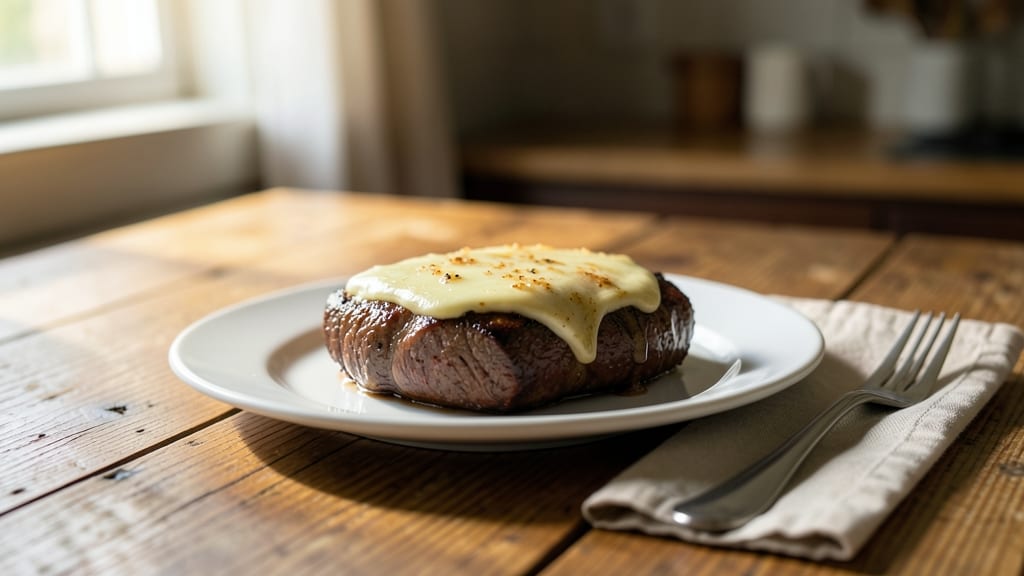
This buttered beef recipe delivers melt-in-your-mouth tenderness that transforms tough cuts into luxurious, restaurant-quality bites—all through precise braising and rich butter finishing. The secret lies in slow cooking the beef until it practically falls apart, then basting it with velvety butter that clings to every strand of meat.
I’ve perfected this method over years of testing, and the results consistently impress even the most discerning palates.
What sets this recipe apart is the balance of techniques: searing the beef first develops deep flavor, while the slow braise ensures perfect tenderness. The butter-based sauce isn’t just added at the end—it’s integrated throughout, creating a dish that’s both indulgent and precise.
With just a few key ingredients and careful timing, you’ll achieve a result that rivals high-end steakhouses.
The final dish features beef so tender it shreds easily, bathed in a glossy, buttery sauce that’s rich without being heavy. Each bite delivers layers of flavor—caramelized edges, velvety butter, and the natural richness of the meat.
This is the kind of meal that elevates a simple dinner into an unforgettable experience, perfect for special occasions or when you want to impress.
While the recipe follows a classic approach, I’ll share variations that adapt it to different cuisines—whether you’re craving French bœuf bourguignon depth or a lighter Asian-inspired twist. The method remains the same, but the flavors can be customized to suit your taste.
Let’s get started on creating buttery, fall-apart beef that will have everyone asking for seconds.
Ingredients for buttered beef
Just 13 ingredients transform tough beef into luxurious, fall-apart bites—no fancy tricks, just patience and butter.
| Ingredient | Amount | Notes |
|---|---|---|
| Chuck Roast Beef 🥩 | 3 lb | Tough cut for braising, trimmed of fat |
| Unsalted Butter 🧈 | ¾ cup | Cold, cut into 1-inch cubes |
| Yellow Onion 🧅 | 1 whole | Large, halved and sliced |
| Garlic Cloves 🧄 | 6 cloves | Peeled, smashed with side of knife |
| Fresh Thyme 🌿 | 2 tbsp | Leaves only, stems removed |
| Fresh Rosemary 🌿 | 1 tbsp | Needles only, finely chopped |
| Beef Broth 💧 | 3 cups | Low-sodium preferred, homemade or quality store-bought |
| Dry Red Wine 🍷 | ½ cup | Bold variety like Cabernet Sauvignon |
| Tomato Paste 🍅 | 2 tbsp | Smooth, not chunky |
| Salt 🧂 | 1 ½ tsp | Kosher or sea salt, divided |
| Black Pepper 🌶️ | 1 tsp | Freshly ground, coarse |
| All-Purpose Flour 🌾 | 1 tbsp | For thickening sauce |
| Fresh Parsley 🌿 | ¼ cup | Chopped, for garnish |
The beef is everything here. Chuck roast is your best bet—it's tough enough to braise beautifully, unlike tender cuts that'll turn mushy. Trim the fat first (leave about 1/4 inch) so it renders nicely. Costco or Whole Foods usually have it pre-cut, but if you're buying a whole roast, ask the butcher to cube it for you. Look for good marbling—those little white streaks mean flavor. The butter? European-style unsalted (like Plugrá) melts cleaner than American brands, but whatever you've got works. Just don't use margarine—I'm not kidding.
No red wine? Substitute beef broth with 1 tbsp balsamic vinegar—it adds depth without alcohol. Fresh herbs wilt fast, so dried works in a pinch (use half the amount). The tomato paste can be that squeeze tube from Trader Joe's—it's perfect for small batches. If you're making this ahead, freeze the raw beef and sauce in portions. Thaw overnight in the fridge before cooking. The flour is just for thickening at the end—don't skip it, but don't overdo it or the sauce gets gluey. And yes, you can use white wine instead of red if you're feeling fancy, but the color difference is worth the effort.
This tastes even better the next day—seriously, make extra. The beef keeps 4-5 days in the fridge, and the sauce freezes beautifully for up to 3 months. I like to portion it into containers so I can grab a jar for quick lunches. The parsley garnish is optional, but it adds that restaurant touch. If you're serving this to company, baste the beef with extra butter while it rests—trust me, it's worth the extra minute. Store leftovers covered, and reheat gently on low heat with a splash of broth to keep it moist.
Why You'll Love This Recipe
- One-Pot Magic: I swear, this is the kind of dish where you walk away from the stove and come back to something actually worth eating. Just sear the beef, toss in the onions and garlic, then let the butter and thyme work their magic—no flipping, no fussing, no extra pots.
- Rich Without Effort: That first bite of tender beef melting in a pool of buttery sauce? It’s like someone poured all the cozy into one forkful. The thyme adds this earthy brightness, while the butter keeps everything luscious—no fancy techniques, just pure, satisfying flavor.
- Lunchbox Hero: Between us, this is my go-to for meal prep. Slice the beef thin, pack it with some crusty bread, and boom—you’ve got a lunch that’ll make your coworkers ask for the recipe. (Yes, even on a Tuesday.)
- Budget Beef Boost: A chuck roast is cheap, but it feels like a splurge when it’s this tender and flavorful. Stretch it over three meals, freeze leftovers, or turn them into tacos later—this cut of meat actually pays off when you cook it right.
Step-by-step instructions for buttered beef
This method transforms tough beef into melt-in-your-mouth perfection through slow braising.
Sear the Chuck Roast for Deep Flavor
Pat the 3 lb chuck roast beef dry with paper towels and season generously with half of the 1.5 tsp salt and all 1 tsp black pepper on all sides. Heat a Dutch oven over medium-high heat and add the cold 0.75 cup unsalted butter cut into cubes. Let the butter melt and foam, then add the beef and sear for 4-5 minutes per side until deeply browned.
Here's the thing—don't rush this step. You want that rich, caramelized crust that'll infuse the braising liquid with deep flavor. If your pan gets too crowded, work in batches. Once browned, remove the beef and set it aside on a plate.
Build the Braising Base with Aromatics
In the same Dutch oven, add the halved and sliced 1 whole yellow onion and the 6 smashed garlic cloves. Cook for 3-4 minutes until the onions soften and begin to color. Stir in the 2 tbsp fresh thyme leaves and 1 tbsp finely chopped fresh rosemary needles, cooking for another 30 seconds until fragrant.
Add the 2 tbsp tomato paste and cook for 1 minute, stirring constantly, until it darkens slightly. This creates a flavorful foundation for your sauce. Pour in the 0.5 cup dry red wine and scrape up any browned bits from the bottom—those are packed with flavor. Let it simmer for 2-3 minutes until the alcohol smell dissipates.
Braise Until Fork-Tender
Return the beef to the Dutch oven. Add the 3 cups beef broth, making sure the beef is mostly submerged. Bring to a simmer, then reduce heat to low, cover, and transfer to a 325°F oven. Here's where patience pays off—braise for 3 to 3½ hours until the beef is fork-tender and pulls apart easily.
Check the liquid level after 2 hours. If it's reduced too much, add a splash of water or broth to keep the beef submerged. The beef is done when it reaches 200°F internally and a knife slides in like butter. This low-and-slow method breaks down the tough muscle fibers, creating that signature fall-off-the-bone tenderness.
Thicken the Sauce and Finish
Remove the beef from the Dutch oven and transfer it to a cutting board. Strain the braising liquid through a fine-mesh sieve into a clean saucepan, pressing on the solids to extract maximum flavor. Return the liquid to medium heat and whisk in the 1 tbsp all-purpose flour to thicken the sauce. Simmer for 3-4 minutes until it coats the back of a spoon.
Return the beef to the sauce and stir to coat. Taste and adjust seasoning with additional salt if needed. The sauce should be rich and velvety, clinging beautifully to the beef. Let the beef rest for 10 minutes before serving to allow the juices to redistribute.
Serve with Fresh Herbs
Slice the beef against the grain into ¼-inch thick pieces and arrange on a platter. Ladle the buttery sauce over the top and sprinkle generously with the 0.25 cup chopped fresh parsley. Serve immediately with crusty bread or over mashed potatoes to soak up every last bit of that luxurious sauce.
This dish tastes even better the next day, so don't hesitate to make extra. The flavors deepen as the beef reabsorbs the sauce, making each bite even more tender and flavorful. Enjoy your restaurant-quality buttered beef at home!
Pro Tips For Making Buttered Beef
- SEAR THE ROAST FIRST: I learned this the hard way—skipping the sear means flavorless butter sauce. Heat your pan until it’s smoking hot, then brown the chuck roast on all sides for 3-4 minutes per side. The crust locks in juices and gives that deep, caramelized base for the butter to cling to.
- SLICE THE ONION THIN: Thick onion rings? No thanks. Thinly slice your yellow onion—about 1/8-inch thick—and spread them out in the pan after removing the roast. They’ll caramelize faster and sweeten the sauce without turning mushy. (Yes, even if you’re impatient like me.)
- DON’T OVERCOOK THE GARLIC: Burnt garlic ruins everything. Add whole garlic cloves to the pan after the onions soften, and let them sizzle for just 30 seconds until fragrant but still pale. Crush them then, so they melt into the butter instead of turning bitter.
- REST THE MEAT UNDER FOIL: This isn’t the prettiest method, but it’s the tastiest. After pulling the roast from the oven, tent it loosely with foil and let it rest for 10-15 minutes. It keeps the juices from spilling out when you slice—no dry, stringy beef here. (Your future self will thank you.)
Serving suggestions for this dish
Classic Pairings
Serve your buttered beef over creamy mashed potatoes—their buttery texture mirrors the sauce's richness. I like to add a dollop of sour cream and chives to the potatoes for extra brightness.
Alternatively, crusty French bread or sourdough makes a perfect vehicle for soaking up every last bit of that velvety sauce. 🍽️
Vegetable Sides
Bright, fresh vegetables cut through the richness beautifully. Roasted Brussels sprouts with balsamic glaze add a touch of sweetness, while sautéed green beans with garlic and lemon zest provide a crisp contrast. For a heartier option, glazed carrots with thyme complement the dish's herbal notes perfectly.
Wine Pairings
A bold Cabernet Sauvignon or Merlot enhances the beef's depth, while a Pinot Noir offers a lighter alternative. For non-alcoholic options, sparkling apple cider with a splash of lemon or iced hibiscus tea with mint provide refreshing contrast. The wine's tannins help cleanse your palate between rich bites. 🍷
Garnish Like a Pro
Fresh parsley isn't just for looks—it adds a bright, herbaceous finish. For extra flair, sprinkle toasted breadcrumbs or crumbled blue cheese over the top. A drizzle of truffle oil (just ½ teaspoon) elevates the dish to restaurant-quality luxury.
Serve with hot sauce on the side for guests who crave heat.
Make It a Meal
Turn this into a full spread by adding warm dinner rolls with herb butter and a simple green salad with arugula, cherry tomatoes, and shaved Parmesan.
For a dessert pairing, dark chocolate-dipped strawberries or crème brûlée balance the meal's richness with sweetness. The contrast makes every bite even more satisfying. 🍫
Leftovers Reinvented
Transform leftover buttered beef into beef sliders with mini buns and caramelized onions. Or stuff it into phyllo cups with sour cream and chives for an elegant appetizer.
The beef's tenderness makes it perfect for tacos or pasta—just toss with fettuccine and Parmesan for a quick weeknight meal. 🌮
Nutrition facts
Frequently asked questions
Can I use a different cut of beef instead of chuck roast?
For best results, stick with chuck roast or brisket—they're tough cuts designed for slow cooking. Short ribs or short plate also work well, but avoid tender cuts like sirloin or filet mignon, which will turn mushy. If you must substitute, increase braising time by 30-60 minutes to ensure tenderness.
How do I make this dish ahead of time?
This recipe actually benefits from prep! Cook the beef and sauce 2 days ahead, then refrigerate in an airtight container. The flavors deepen over time. Reheat gently on low heat with a splash of beef broth to restore moisture. For freezing, portion the beef and sauce separately and freeze for up to 3 months—thaw overnight in the fridge before reheating.
What's the secret to getting that perfect buttery sauce?
The sauce magic comes from three things: cold butter added at the end (it melts beautifully), straining the braising liquid to remove impurities, and whisking in flour to thicken it properly. Don't skip the flour—it's what gives the sauce that velvety texture. For extra richness, stir in an extra 2 tbsp of butter at the very end.
Can I make this recipe in a slow cooker?
Brown the beef first in a skillet, then transfer everything to your slow cooker. Cook on low for 8 hours or high for 5-6 hours. The key difference is the sauce will be thinner—simmer it uncovered for 10 minutes at the end to reduce it. Add a cornstarch slurry (1 tbsp cornstarch + 2 tbsp water) if you need more thickness.
Why is my beef still tough after cooking?
This usually happens from one of three issues: not enough time (aim for 200°F internal temp), too much liquid (beef needs to be mostly submerged), or cutting against the grain too early. Always check doneness with a fork—it should shred easily. If it's still tough, return it to the oven covered for another 30-60 minutes with extra broth.