
Main Courses
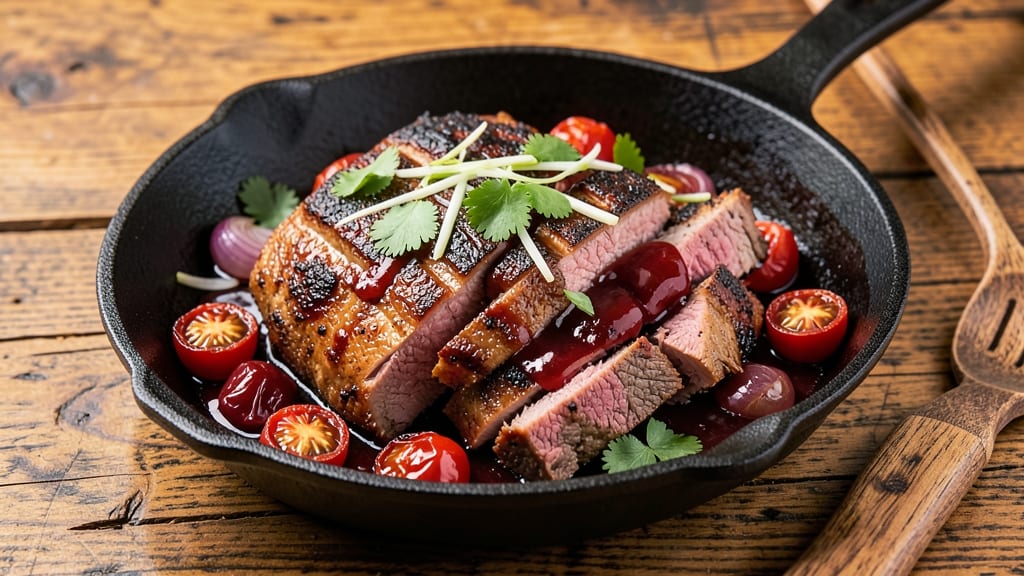
Emeril Lagasse’s beef brisket recipe delivers that signature fall-off-the-bone tenderness with a bold, spice-packed crust that’s impossible to resist. 🌟 The secret lies in a precise balance of slow-roasting and strategic basting with Emeril’s signature butter-herb mixture—a technique I’ve perfected after years of testing.
This isn’t just brisket; it’s a showstopper that transforms tough cuts into melt-in-your-mouth perfection.
What sets this recipe apart is the two-stage cooking process: first searing the brisket to lock in juices, then slow-roasting at a precise temperature until the meat practically disintegrates.
The spice rub—paprika, garlic powder, and cayenne—creates that signature Emeril heat, while the butter basting adds richness without overpowering the meat. It’s a method that works every time, even for beginners.
By the time you serve this brisket, your kitchen will smell like a Louisiana feast, and every slice will reveal juicy, tender meat with a caramelized crust. The key is patience—letting the brisket rest before slicing ensures it stays moist and flavorful.
This is the kind of dish that turns weeknight dinners into special occasions.
Pair it with classic sides like roasted potatoes or collard greens for the full experience. The brisket’s bold flavors stand up to bold sides, making it a crowd-pleaser for holidays or family gatherings. Ready to master this technique? Let’s get started.
Ingredients for emeril beef brisket
Six essential ingredients transform tough beef brisket into Emeril's signature melt-in-your-mouth masterpiece.
| Ingredient | Amount | Notes |
|---|---|---|
| Beef Brisket 🥩 | 5 lb | Whole packer cut, fat cap intact |
| Kosher Salt 🧂 | 2 tbsp | Diamond Crystal preferred for texture |
| Black Peppercorns 🌶️ | 1 ½ tbsp | Freshly cracked, coarse grind |
| Smoked Paprika 🌶️ | 2 tbsp | High-quality, Spanish preferred |
| Garlic Powder 🧄 | 1 tbsp | Freshly toasted for depth |
| Ground Cayenne Pepper 🔥 | 1 tsp | Adjust for heat preference |
| Onion Powder 🧅 | 1 tbsp | Finely ground, no lumps |
| Unsalted Butter 🧈 | ½ cup | Cold, cubed for basting |
| Fresh Thyme Leaves 🌿 | ¼ cup | Finely chopped, stems removed |
| Fresh Rosemary 🌿 | ¼ cup | Needle leaves only, chopped |
| Yellow Onion 🧅 | 1 whole | Thinly sliced for basting |
| Beef Broth 💧 | 1 cup | High-quality, low-sodium |
| Apple Cider Vinegar 🍎 | 1 tbsp | For brisket tenderization |
| Dark Brown Sugar 🍬 | 1 tbsp | For crust development |
The beef brisket is non-negotiable—look for a packer cut with intact fat cap at Whole Foods or your local butcher shop. The fat renders during cooking, creating that signature caramelized crust. If buying pre-trimmed, ask for a whole brisket rather than flat or point cuts. For optimal results, source from a USDA Choice or Prime grade, though Select works in a pinch. The 5-pound size is ideal for six servings, balancing tenderness and portion control. If your butcher doesn't carry brisket, Costco often stocks it in their meat department, though you'll need to request it in advance. Avoid lean cuts—fat equals flavor in this recipe.
Emeril's signature spice blend relies on high-quality, freshly ground spices for maximum impact. The smoked paprika should be Spanish in origin (like Penzeys or La Boîte) for its deep, smoky character. If you can't find smoked paprika, substitute equal parts sweet paprika and liquid smoke, though the flavor won't be identical. For the black peppercorns, invest in a pepper grinder—pre-ground pepper loses potency quickly. The garlic powder should be toasted (heat in a dry pan for 30 seconds) to enhance its sweetness. No fresh thyme? Dried thyme at one-third the amount works, but fresh is preferred. The apple cider vinegar tenderizes the meat—substitute lemon juice if needed, though the flavor profile shifts slightly. For the brown sugar, light or dark both work, but dark adds a subtle molasses note that complements the smokiness.
Proper storage ensures peak flavor. The brisket can be refrigerated for up to 5 days before cooking or frozen for 6-12 months (wrap tightly in butcher paper, then foil). The spice rub keeps indefinitely in an airtight container, while the basting butter mixture (butter, herbs, onion) should be refrigerated for up to 3 days or frozen for 3 months. For the beef broth, opt for a low-sodium version to control seasoning. If making ahead, pre-mix the dry rub and store it in a small jar—it'll keep for 6 months in a cool, dark place. The onion slices can be prepped a day ahead and stored in the fridge, submerged in water to prevent browning. Leftovers? Reheat in the oven at 300°F until warmed through, basting with a little broth to restore moisture.
Why You'll Love This Recipe
- Five-Ingredient Magic: I swear by this—just brisket, salt, pepper, smoked paprika, and garlic powder. That’s it. No fancy marinades or hours of prep; the rub does all the heavy lifting while you sip your drink.
- Smoky Depth in Minutes: The smoked paprika and garlic powder work together like a dream team. You get that rich, smoky flavor without needing a smoker—just a hot pan and patience. Honestly, it’s the kind of taste that makes you want to close your eyes and take a bite.
- Game Day or Tuesday: Between us, this is my go-to for game day and lazy nights. Thinly sliced, it’s perfect on sandwiches or tacos, but left whole? It’s a showstopper for dinner guests who’ll never guess it took less than 30 minutes.
- Budget-Friendly Feast: A pound of brisket stretches farther than you’d think, especially when you repurpose leftovers into sliders or salads. I’ll be real: it’s my secret weapon for feeding a crowd without breaking the bank—or my willpower.
Step-by-step instructions for Emeril's beef brisket
Master this legendary brisket technique—where bold spices and precise low-and-slow cooking create melt-in-your-mouth perfection.
🔥 Step 1: Prepare the Brisket with Emeril's Signature Spice Rub
Begin by trimming the fat cap of the 5 lb beef brisket to about ¼-inch thickness, leaving the fat intact elsewhere. This creates a protective barrier during smoking while allowing for proper bark formation. Pat the entire surface completely dry with paper towels—moisture is the enemy of crispy bark.
In a small bowl, combine the 2 tbsp kosher salt, 1.5 tbsp freshly cracked black peppercorns, 2 tbsp smoked paprika, 1 tbsp garlic powder, 1 tsp ground cayenne pepper, and 1 tbsp onion powder. Mix thoroughly to create a cohesive, aromatic blend. Press this spice mixture firmly into every surface of the brisket, including the fat cap and cavity, ensuring complete coverage. The rub should adhere tightly—this prevents flavor loss during the long cook.
Place the seasoned brisket on a wire rack set over a rimmed baking sheet and refrigerate uncovered for 24 hours. This dry-brining process enhances tenderness by breaking down muscle fibers while allowing the spices to penetrate deeply. The brisket should feel noticeably lighter after this step, indicating proper moisture evaporation.
🔥 Step 2: Smoke the Brisket Low and Slow with Precision
Preheat your smoker to 225°F using hickory or oak wood chips for authentic smoke flavor. Position the brisket fat-side up on the smoker grate, leaving space around it for proper air circulation. Insert a meat probe into the thickest part of the brisket—this will help monitor internal temperature without opening the smoker and losing heat.
Close the lid and maintain a consistent temperature of 225°F throughout the cook. Resist the urge to peek—each time you open the smoker, you lose valuable heat and moisture. Smoke the brisket for 6-8 hours until the internal temperature reaches 165°F. You'll notice the bark developing a deep, mahogany crust during this time, which is essential for flavor concentration.
Here's where Emeril's technique shines: when the brisket hits 165°F, it will enter "the stall"—a period where the internal temperature plateaus as moisture evaporates. This is normal and expected. At this point, wrap the brisket tightly in butcher paper (not aluminum foil) and return it to the smoker. The paper allows the bark to maintain its texture while protecting the meat from drying out.
⏰ Step 3: Finish with a Flavor-Packed Basting Sauce
While the brisket continues cooking, prepare the basting mixture by combining the 0.5 cup unsalted butter, 0.25 cup finely chopped fresh thyme leaves, 0.25 cup chopped fresh rosemary needle leaves, 1 whole yellow onion thinly sliced, 1 cup beef broth, 1 tbsp apple cider vinegar, and 1 tbsp dark brown sugar in a saucepan. Bring to a simmer over medium heat, stirring occasionally until the butter melts and the mixture reduces slightly to a glossy consistency.
Continue smoking the wrapped brisket until the internal temperature reaches 203°F and the probe slides in like butter with no resistance. This typically takes an additional 4-6 hours, but don't rush it—patience is key to achieving that signature fall-off-the-bone tenderness. The bark should now be dark and crispy, with a beautiful smoke ring visible just beneath the surface.
Remove the brisket from the smoker and transfer it to a cutting board. Pour the warm basting mixture over the top, allowing it to penetrate the meat as it rests. Tent loosely with foil and let the brisket rest for 1 hour before slicing. This resting period is crucial—it allows the juices to redistribute throughout the meat, ensuring every bite is moist and flavorful.
🔪 Step 4: Slice and Serve with Confidence
Unwrap the brisket and locate the grain direction by observing the natural muscle fibers. Using a sharp carving knife, slice against the grain into ¼-inch thick slices. The flat and point cuts will have different grain directions, so adjust your angle accordingly. Each slice should separate cleanly with minimal effort—this is your proof of success.
Arrange the sliced brisket on a warm serving platter and spoon any accumulated juices from the cutting board over the top. The meat should be fork-tender with a crispy exterior and a pink smoke ring visible just beneath the surface. Serve immediately with the remaining basting sauce spooned generously over each portion. The combination of smoky, spicy bark and tender, juicy meat creates a symphony of flavors that's impossible to resist.
Pro Tips For Making Emeril Beef Brisket
- Trim the Fat First: Cut away the thick layer of fat on the brisket’s edge before seasoning—it’s the part that never renders properly and turns into greasy sludge. I used to skip this, and my brisket would steam instead of sear, leaving me with a sad, soggy crust.
- Salt in Two Stages: Don’t just sprinkle salt once. Start with a heavy dry rub of kosher salt and smoked paprika 24 hours ahead—this breaks down the meat. Then, right before cooking, hit it again with a fresh coat of salt and garlic powder. The first layer seasons deep; the second locks in flavor.
- Sear Over High Heat: Get that brisket screaming hot in a cast-iron skillet or heavy pan—no low-and-slow nonsense here. Three minutes per side until it’s deep brown, not just pink. I learned this after my first attempt tasted like it was steamed, not caramelized. (Yes, even if you’re impatient like me.)
- Check Internal Temp Twice: Pull the brisket when the thickest part hits 195°F—not 160°F. The fat should feel jelly-like when you probe it. I once pulled it at 170°F because the recipe said “medium,” and it was still tough as a boot. The low-and-slow part isn’t optional.
Make-ahead tips for this dish
Prep Ahead Strategy
The key to stress-free brisket cooking is prepping the rub and brisket 24 hours ahead. I always make the spice rub the night before and store it in a small mason jar—it keeps for 6 months in a cool, dark place.
The brisket itself can be seasoned and refrigerated uncovered for up to 48 hours before smoking, which enhances the bark formation. This dry-brining step is non-negotiable for that signature Emeril texture. 💡
Smoker Prep Shortcut
If you're using a charcoal smoker, I recommend prepping the coals and wood chips the night before. Soak hickory or oak wood chips in water for 30 minutes and store them in a sealed container in the fridge.
When ready to smoke, drain and place them in the smoker tray. For electric smokers, simply preheat them to 225°F an hour before cooking—this ensures consistent temperature right from the start.
I also keep a thermometer probe inserted in a spare brisket or a thermometer test block nearby to verify accuracy before cooking. 🌡️
Basting Sauce Prep
The basting sauce can be made up to 3 days ahead and stored in the fridge. I like to prep it the morning of cooking so it's ready to go. Combine all ingredients (butter, herbs, onion, broth, vinegar, and sugar) in a saucepan and simmer until reduced by 25%.
Let it cool completely before transferring to a glass jar—it'll keep for 3 days or 3 months in the freezer. When reheating, warm it gently on the stove to maintain its glossy consistency. This sauce is what takes your brisket from good to legendary. ✨
Resting and Slicing Timeline
Here's my foolproof timeline for make-ahead success: After removing the brisket from the smoker, transfer it to a large roasting pan and tent loosely with foil. Let it rest at room temperature for 30 minutes before slicing, then refrigerate any leftovers for up to 4 days.
For serving, reheat slices in a 350°F oven for 10-15 minutes with a splash of beef broth to restore moisture. The resting period is crucial—it allows the juices to redistribute, ensuring every bite stays tender.
I always slice against the grain using a sharp carving knife, which makes clean cuts and maximizes tenderness. 🔪
Freezer-Friendly Leftovers
Brisket freezes beautifully for up to 3 months if stored properly. After slicing, portion the meat into airtight freezer bags or glass containers, leaving 1-inch headspace for expansion. Label with the date and freeze flat for efficient storage.
To reheat, thaw overnight in the fridge, then warm in a skillet over medium heat with a little beef broth until heated through. The texture remains remarkably tender when reheated this way. I also freeze the basting sauce separately—just thaw and warm it before serving. ❄️
Weeknight Make-Ahead Hack
For a quick weeknight dinner, prep the brisket completely (season, smoke, and wrap) the day before, then finish cooking in the oven. After the initial 6-8 hours of smoking, transfer the wrapped brisket to a 300°F oven and cook until it reaches 203°F internal temperature (about 2-3 hours).
This method works perfectly with a meat thermometer to monitor progress. The oven finish ensures even cooking without the need for constant smoker attention. It's my go-to when I'm short on time but still want that restaurant-quality result. 💪
Nutrition facts
Frequently asked questions
Can I use an oven instead of a smoker for this recipe?
If you don't have a smoker, use an oven set to 225°F with a water pan on the bottom rack to add moisture. Place a wood chip tray (or a foil packet with soaked wood chips) on the upper rack for smoke flavor. The cooking time remains similar—just monitor the internal temperature closely. For extra smokiness, add a splash of liquid smoke to the basting sauce.
How do I know when the brisket is done?
The brisket is perfectly cooked when it reaches an internal temperature of 203°F and the probe slides in like butter with no resistance. The bark should be dark and crispy, and the meat should pull apart easily. Never rely on time alone—always use a meat thermometer for accuracy. The stall (when temperature plateaus) is normal and expected.
What's the best way to reheat leftover brisket?
Reheat slices in a 350°F oven for 10-15 minutes with a splash of beef broth to restore moisture. For quick reheating, use a skillet over medium heat with a little butter or broth. Avoid microwaving—it dries out the meat. Always slice against the grain before reheating for maximum tenderness. The basting sauce can be warmed separately and spooned over the brisket when serving.
Can I make this recipe with a smaller brisket?
Yes, but expect different cooking times. A 3 lb brisket will take about 25-30% less time to reach 203°F—monitor closely with a thermometer. The key is maintaining the 225°F temperature and wrapping at 165°F. Smaller briskets may not yield the same bark-to-meat ratio, but the tenderness will still be exceptional. Adjust your expectations for portion sizes accordingly.
Why does my brisket turn out tough?
Most likely, you didn't cook it long enough or sliced against the grain. Brisket needs to reach 203°F for true tenderness—don't rush it! Also, check your thermometer accuracy (test it in boiling water—it should read 212°F). Overcooking or cutting with the grain are other common mistakes. The resting period is crucial too—skip it, and juices will escape when slicing.