
Main Courses
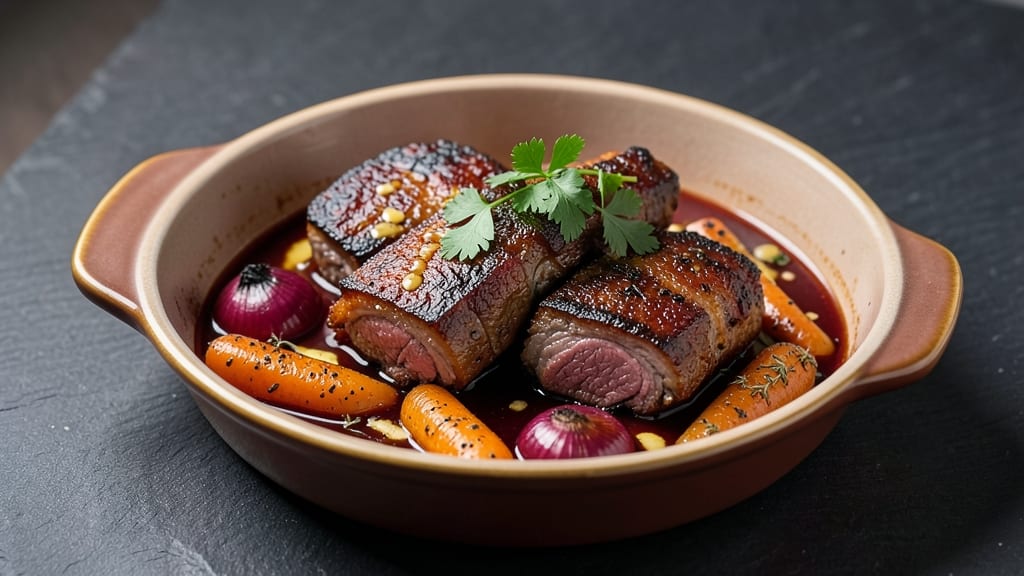
This Gordon Ramsay-inspired braised beef short ribs recipe delivers the kind of rich, umami-packed luxury that transforms weeknight dinners into restaurant-worthy meals. The secret lies in slow-braising beef short ribs until they're fork-tender, infused with deep, caramelized flavors from red wine and aromatics.
I've perfected this method over years of testing, ensuring every bite delivers that signature Ramsay balance of boldness and finesse.
The process begins with searing the ribs to lock in juices, then building layers of flavor through a carefully constructed braising liquid—red wine, beef stock, and herbs—that infuses the meat over hours.
Unlike quick-cooked dishes, this recipe rewards patience with melt-in-your-mouth texture and a sauce so rich it deserves its own bowl. The result? Short ribs that practically fall apart at the touch of a fork, coated in a glossy, aromatic sauce that's impossible to resist.
What sets this recipe apart is the precision in technique: proper searing, controlled braising temperature, and the right balance of acidity and richness in the sauce.
The aroma alone will have your kitchen smelling like a Michelin-starred bistro, while the presentation—juicy ribs nestled in their sauce—makes it feel like a special occasion. This is comfort food elevated to an art form, where every step matters and every bite delivers.
Perfect for impressing guests or treating yourself to a luxurious meal, these short ribs pair beautifully with creamy mashed potatoes or crusty bread to soak up every last drop of sauce.
The recipe scales effortlessly, making it ideal for gatherings or meal prep. Let's get started on creating this showstopping dish that captures Ramsay's signature style at home.
Ingredients for gordon ramsay braised beef short ribs
Four pounds of beef short ribs and bold ingredients for a dish worthy of a Michelin-starred bistro.
| Ingredient | Amount | Notes |
|---|---|---|
| Beef Short Ribs 🥩 | 4 lb | Bone-in, 2-2.5 inches thick |
| Dry Red Wine 🍷 | 2 cups | Bold Cabernet Sauvignon preferred |
| Beef Stock 💧 | 2 cups | Homemade or high-quality store-bought |
| Yellow Onions 🧅 | 2 whole | Medium, sliced into half-moons |
| Garlic Cloves 🧄 | 6 cloves | Peeled, smashed with side of knife |
| Carrots 🥕 | 4 whole | Medium, cut into thick chunks |
| Fresh Thyme 🌿 | ¼ cup | Stems removed, leaves only |
| Fresh Rosemary 🌿 | ¼ cup | Needles finely chopped |
| Tomato Paste 🍅 | 2 tbsp | Smooth, not chunky |
| Olive Oil 🫒 | ¼ cup | Extra-virgin, for searing |
| All-Purpose Flour 🌾 | 2 tbsp | For dusting ribs |
| Diamond Crystal Kosher Salt 🧂 | 2 tsp | For seasoning |
| Freshly Ground Black Pepper 🌶️ | 1 tsp | Coarsely ground |
| Bouquet Garni 🌿 | 1 whole | Fresh thyme, rosemary, bay leaf tied |
The beef short ribs are the foundation—look for bone-in cuts with good marbling from your butcher or specialty market like Whole Foods or D'Artagnan. The richer the fat, the more flavorful the braise. If you can't find bone-in, bone-out will work but requires longer braising. For the red wine, Cabernet Sauvignon is ideal—its bold tannins cut through the richness. Avoid sweet wines like Zinfandel. The beef stock should be homemade if possible, but high-quality brands like Kitchen Basics or Pacific Foods work in a pinch. Fresh herbs are non-negotiable here; dried will never deliver the same aromatic depth.
No red wine? Substitute with additional beef stock and a splash of balsamic vinegar—it adds complexity without overpowering. Swapping fresh herbs? Use dried thyme and rosemary at one-third the amount, but expect less vibrant flavor. For tomato paste, high-quality brands like Mutti or Bertolli make a difference—avoid the watery, low-end varieties. The bouquet garni is optional but recommended; if you skip it, add an extra sprig of fresh rosemary. For the carrots, orange or purple varieties add visual appeal, but standard yellow works perfectly fine. If you're short on time, pre-cut frozen vegetables can be used, though fresh is always superior.
This dish is best made a day ahead—flavors deepen as it rests. Store the braised ribs and sauce in an airtight container in the refrigerator for up to 5 days. For longer storage, freeze portions for up to 3 months—the sauce remains rich and flavorful when thawed. Reheat gently on the stove with a splash of water or stock to maintain moisture. The sauce thickens as it cools, so you may need to thin it with a bit of stock when reheating. Serve with crusty bread or creamy mashed potatoes to soak up every last drop of that luxurious sauce.
Why You'll Love This Recipe
- One-Pot Magic: I swear by this—just sear the ribs, toss in the onions and garlic, pour in the wine and stock, and walk away. That’s it. No fancy gadgets, no stress.
- Wine-Infused Richness: The red wine doesn’t just add depth—it transforms the beef into something luxurious. That first bite? Melty, tender, with a hint of earthy garlic and caramelized onions. It’s restaurant-quality, but I’m the one holding the spoon.
- Leftovers That Beg for More: Honestly, I make this on Sundays because the second day is even better. The flavors meld into something deeper, and reheating? Just a splash of stock, 10 minutes in the oven. My lunchbox gets packed twice.
- Budget-Friendly Luxury: Short ribs aren’t cheap, but this recipe stretches them like a pro. One pan, one dish—no waste, no fuss. Plus, the stock and wine make it feel special without breaking the bank. (Yes, even on a Tuesday night.)
Step-by-step instructions for braised beef short ribs
Mastering this technique transforms tough cuts into melt-in-your-mouth tenderness with rich, concentrated flavors.
Prepare the Short Ribs for Maximum Flavor
Pat the 4 lb beef short ribs completely dry with paper towels, removing any excess moisture from the surface. This step is crucial—wet surfaces prevent proper searing and flavor development. Place the ribs on a wire rack set over a baking sheet to allow air circulation on all sides.
In a small bowl, combine the 2 tbsp all-purpose flour with the 2 tsp diamond crystal kosher salt and 1 tsp freshly ground black pepper. Generously coat each rib on all sides with this mixture, pressing the seasoning into the meat. This dry brine will create a flavorful crust during searing and help thicken the braising liquid later.
Develop Deep Flavor Through Searing and Deglazing
Heat a large Dutch oven over medium-high heat until very hot. Add the 0.25 cup olive oil and swirl to coat the bottom evenly. Working in batches if needed, carefully place the seasoned short ribs in the pot, bone-side down. Sear undisturbed for 4-5 minutes until a deep golden-brown crust forms. This initial sear locks in juices and builds foundational flavor.
Once browned, carefully flip the ribs and sear the meaty sides for another 3-4 minutes. Remove the ribs and set them aside. The pan will now contain precious browned bits (fond) that hold concentrated meat flavor. Immediately add the 2 tbsp tomato paste and stir to coat the bottom, allowing it to caramelize slightly for 30 seconds.
Build the Braising Liquid with Aromatics
Add the sliced 2 whole yellow onions, 6 smashed garlic cloves, and 4 thick carrot chunks to the Dutch oven. Cook for 3-4 minutes until the onions soften slightly but don't brown. This step develops their sweetness without burning, which would create bitterness in the final dish.
Pour in the 2 cups dry red wine, scraping up all the browned bits from the bottom with a wooden spoon. Let this mixture simmer for 3-4 minutes until reduced by about one-third. The wine's alcohol will cook off, leaving behind its rich, fruity essence. Add the 2 cups beef stock and bring to a gentle simmer.
Braise to Perfection with Herbs and Bouquet Garni
Return the seared short ribs to the Dutch oven, bone-side up. Add the 0.25 cup fresh thyme leaves, 0.25 cup finely chopped fresh rosemary, and the 1 whole bouquet garni. The herbs will infuse the braising liquid with aromatic complexity, while the bouquet garni adds subtle earthy notes without overpowering.
Cover the Dutch oven tightly with a lid and transfer to a preheated 325°F oven. Braise for 2 hours and 30 minutes, turning the ribs halfway through cooking. The ribs are done when they easily slide between your fingers with just light pressure and the meat is fork-tender. The braising liquid should be reduced and thickened, coating the back of a spoon.
Finish and Rest for Optimal Texture
Remove the ribs from the braising liquid and transfer them to a serving platter. Tent loosely with aluminum foil and let rest for 15 minutes. This resting period allows the meat fibers to relax and redistribute juices throughout each bite, preventing them from running out onto your plate.
Strain the braising liquid through a fine-mesh sieve into a saucepan, pressing on the vegetables to extract maximum flavor. Skim off any excess fat that has risen to the surface. Return the liquid to medium heat and reduce until it reaches a syrupy consistency, coating the back of a spoon. This concentrated sauce will cling beautifully to each tender rib.
Pro Tips For Making Gordon Ramsay Braised Beef Short Ribs
- Sear Until Blackened: I used to think "browning" meant light golden—wrong. For short ribs, you need deep, blackened crusts on all sides. That’s where the flavor hides, and it won’t dissolve in the wine. Use a heavy pot, high heat, and don’t move them until smoke starts to rise.
- Deglaze Aggressively: After searing, don’t just splash in the wine—scrape every last bit of fond from the bottom with a wooden spoon. That browned goodness is pure flavor, and skipping it means a duller sauce. I learned this the hard way when my first batch tasted like it was missing something.
- Simmer, Don’t Boil: The moment you add the stock, drop the heat to a bare simmer. Boiling turns tough short ribs to mush and makes the sauce cloudy. A gentle roll of the liquid is the right pace—let it work its magic for 2.5–3 hours, not 2.
- Strain the Wine First: Sounds weird, but it works: strain the red wine through a fine-mesh sieve before adding it to the pot. Sediment makes the sauce gritty, and you’ll thank me when you’re not picking out bits later. (Yes, even if you’re impatient like me.)
Serving suggestions for leftovers
Classic Pairings
Serve these braised short ribs with creamy garlic mashed potatoes—their buttery richness complements the deep umami of the ribs. I like to fold in roasted garlic and crispy bacon bits for extra depth.
Another crowd-pleaser is crusty sourdough bread or baguette slices, perfect for soaking up every drop of that luxurious sauce. 🍽️
Vegetable Sides
For a balanced plate, add roasted Brussels sprouts tossed with balsamic glaze and pecans—the caramelized edges contrast beautifully with the tender meat. Alternatively, sautéed green beans with shallots and lemon zest provide a bright, fresh counterpoint to the richness. Both sides hold up well when made ahead.
Sauce Presentation
When plating, I drizzle the reduced braising sauce generously over the ribs, then spoon additional sauce around the plate for dipping. For extra flair, finish with fresh thyme sprigs or crispy fried shallots—they add visual appeal and a subtle crunch.
The sauce should coat the ribs like a glossy, aromatic glaze. 💫
Wine Pairings
A bold Cabernet Sauvignon or Syrah mirrors the dish's richness and tannins, while a Pinot Noir offers a lighter, fruitier contrast. For beer lovers, a dark ale or stout complements the deep flavors without overpowering. I recommend chilling the wine slightly to enhance its aromatic qualities before serving. 🍷
Make-Ahead Serving
This dish tastes even better the next day! Store the ribs and sauce separately in airtight containers in the fridge for up to 5 days. Reheat gently on the stove with a splash of beef stock to restore moisture.
The flavors meld beautifully overnight, making it perfect for meal prep or special occasions. 📅
Garnish Like a Pro
For a restaurant-worthy finish, sprinkle toasted breadcrumbs over the ribs before serving—they add texture and help thicken any residual sauce. A pinch of freshly cracked black pepper and a drizzle of truffle oil elevate the dish to Michelin-starred levels. These final touches make all the difference in presentation. ✨
Nutrition facts
Frequently asked questions
Can I use bone-in or boneless beef short ribs for this recipe?
This recipe is designed specifically for bone-in beef short ribs, as the bones add incredible depth of flavor to the braising liquid. However, if you must use boneless, increase the braising time by 30-45 minutes to ensure the meat reaches fork-tender perfection. The bones also help stabilize the ribs during cooking, so boneless cuts may require more frequent turning to prevent curling.
What's the best way to substitute red wine if I don't have any?
For a non-alcoholic substitute, use 2 cups beef stock plus 2 tablespoons balsamic vinegar and 1 tablespoon soy sauce to mimic the wine's acidity and umami. If you prefer alcohol, dry sherry or port work well—just reduce the stock to 1.5 cups to maintain balance. Never use sweet wines like Zinfandel, as they'll overpower the dish's savory notes.
How do I know when the short ribs are fully cooked?
The ribs are done when they easily slide between your fingers with just light pressure and the meat separates cleanly at the bone. A meat thermometer should read 203°F in the thickest part. If you're unsure, cut into one rib—it should be fork-tender with no pink center. Overcooking can make the meat dry, so resist the urge to check too often during the final hour of braising.
Can I make this recipe in a slow cooker instead of the oven?
Yes! Sear the ribs as directed, then transfer them to a slow cooker with all the braising ingredients. Cook on Low for 8-10 hours or High for 5-6 hours. The texture will be slightly different (more tender than fall-apart), but the flavors will be just as rich. Add 1/2 cup extra liquid since slow cookers evaporate more moisture. The sauce may need reduction on the stovetop afterward.
Why did my braising sauce turn out too thin?
This usually happens from one of three issues: using too much liquid, not reducing enough, or not skimming excess fat. For future batches, start with 1.5 cups liquid instead of 2 cups, and reduce the sauce aggressively on the stove until it coats the back of a spoon. If it's still too thin, mix 1 tablespoon cornstarch with 2 tablespoons cold water, stir into the sauce, and simmer until thickened. Always skim fat regularly during cooking.