
Main Courses
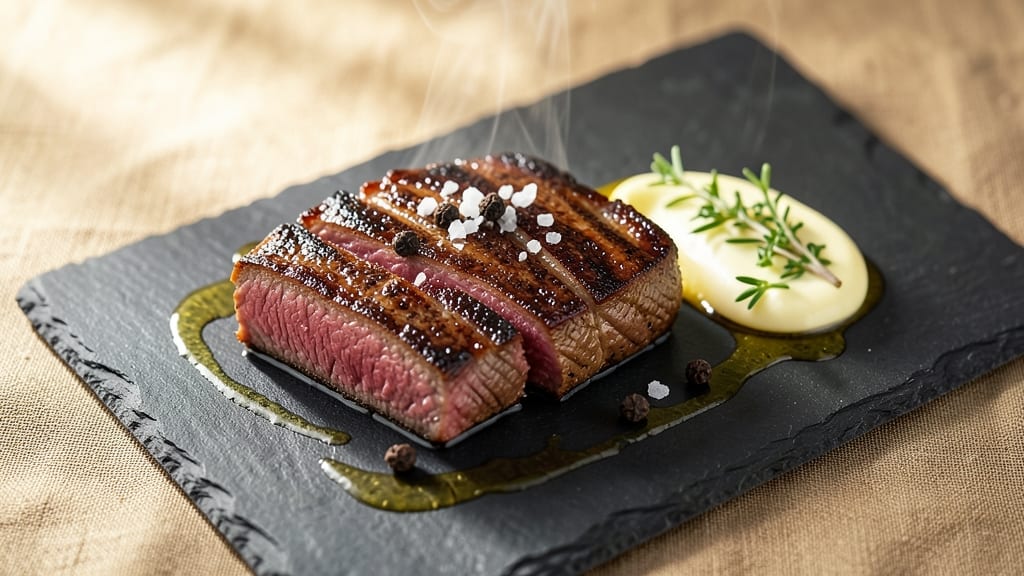
A New York beef steak recipe with a signature cast iron crust and melt-in-your-mouth juiciness transforms weeknight dinners into restaurant-worthy experiences. The secret lies in a precise cooking method that combines high-heat searing with a reverse sear technique—something I perfected after years of testing different approaches.
This isn’t just another steak recipe; it’s a method that delivers juicy depth and a perfectly textured crust every time.
The foundation begins with high-quality beef, seasoned simply yet effectively with kosher salt and freshly cracked black peppercorns. A quick sear in a screaming-hot cast iron pan locks in flavors while developing that coveted crust, while a finishing touch in the oven ensures the interior reaches the ideal medium-rare doneness.
The result? A steak that’s tender, flavorful, and impossible to resist. This method is foolproof, even for home cooks who might feel intimidated by steak night.
What truly sets this recipe apart is the versatility—whether you’re serving it as the centerpiece of a classic steakhouse dinner or a casual weeknight meal, the technique adapts effortlessly. Pair it with a rich truffle butter, crisp roasted potatoes, or a Manhattan cocktail for an authentic New York experience.
The key is confidence in the process, and once you master it, you’ll never settle for anything less than this level of perfection.
Ready to elevate your steak game? This recipe delivers on every promise—no guesswork, no second chances. The crust will be crisp, the interior juicy, and the flavors will transport you straight to a high-end New York steakhouse. Let’s get cooking.
Ingredients for new york beef steak
High-quality beef and precise seasoning transform simple ingredients into restaurant-quality New York steak.
| Ingredient | Amount | Notes |
|---|---|---|
| New York Strip Steak 🥩 | 1 ½ lb | Center-cut, 1.5-inch thick |
| Kosher Salt 🧂 | 1 ½ tbsp | Diamond Crystal preferred |
| Freshly Cracked Black Peppercorns 🌶️ | 1 ½ tsp | Coarse grind preferred |
| Extra-Virgin Olive Oil 🫒 | 2 tbsp | High smoke point preferred |
| Unsalted Butter 🧈 | 2 tbsp | Cold, cut into small pieces |
| Fresh Thyme Leaves 🌿 | ½ tsp | Chopped, for finishing |
| Fresh Rosemary Sprigs 🌿 | 2 whole | For aroma, removed before serving |
| Garlic Cloves 🧄 | 4 cloves | Crushed, for butter basting |
| Heavy Whipping Cream 🥛 | ¼ cup | Optional, for finishing sauce |
| Cast Iron Skillet 🔥 | 1 whole | 12-inch diameter preferred |
| Meat Thermometer 🌡️ | 1 whole | Instant-read preferred |
The New York Strip Steak is non-negotiable for this technique—center-cut with 1.5-inch thickness ensures even cooking and maximum juiciness. Source from a reputable butcher or specialty grocer like Whole Foods or D'Agostino's, where they can cut it to your specifications. Look for rich marbling and a vibrant red color—this indicates optimal tenderness and flavor. For best results, remove the steak from the refrigerator 30 minutes before cooking to bring it to room temperature. The Diamond Crystal kosher salt is preferred here due to its coarse texture, which adheres better to the meat's surface and enhances crust formation. Penzeys Spices offers an excellent selection if you prefer pre-ground black peppercorns, but freshly cracked yields superior flavor complexity.
No Diamond Crystal salt? Morton kosher salt works equally well, though you may need to adjust slightly due to its finer grain. Running short on fresh thyme or rosemary? Dried herbs at one-third the amount suffice, though the aroma won't be as pronounced. For the butter, European-style unsalted butter like Plugrá or Kerrygold adds a richer depth of flavor compared to standard American brands. The extra-virgin olive oil should have a high smoke point (look for brands like California Olive Ranch or Bertolli) to prevent burning during the high-heat sear. If you're short on time, a reverse sear in the oven (400°F for 10-15 minutes) before the final crust can work, though the cast iron method delivers superior texture.
Steaks should be seasoned and refrigerated for up to 24 hours before cooking to maximize flavor penetration. Store the whole steak in an airtight container lined with parchment paper, separated by butter paper if stacking multiple pieces. The butter and garlic mixture for basting can be prepped 1 day ahead and stored in the refrigerator, though the garlic should be added fresh just before searing. Cooked steaks hold well for 2-3 days in the refrigerator, though the crust loses some crispness. For longer storage, vacuum-seal and freeze for up to 3 months—thaw overnight in the refrigerator before reheating. A gentle warm-up in a skillet with a pat of butter restores the crust's integrity.
Why You'll Love This Recipe
- Two-Ingredient Magic: I swear by this—just salt, pepper, and a hot pan. That’s it. The steak’s natural richness does all the work while you focus on timing the sear just right. Honestly, I’ve made fancier steaks with more steps, but this? This is the one I reach for when I’m too tired to overthink dinner.
- Butter-Basted Bliss: The moment that butter hits the skillet and starts basting the steak? Pure satisfaction. That golden crust with the creamy, melty butter pooling on top? It’s the kind of flavor that makes you pause mid-bite. I’ll be real: I’ve ruined steaks before, but this method forgives mistakes—just keep that butter moving.
- Date Night Ready: No need to stress over sides or wine pairings. This steak feels fancy enough for a Friday night out but takes less than 30 minutes to pull together. Serve it with a simple salad or roasted potatoes, and suddenly, you’re the hero of the evening. (Yes, even on a Tuesday night.)
- Leftover Luxury: Cook one steak, slice it thin, and you’ve got a week’s worth of lunches. Cold slices on crusty bread with a smear of mustard? Or reheated in a skillet with a splash of olive oil for a quick stir-fry? I’ve turned this into tacos, salads, and even a hearty soup—it’s my secret weapon for busy days.
Step-by-step instructions for New York beef steak with cast iron crust
Master this technique and you'll achieve a perfect balance of crust and juiciness every time.
Prepare the Steak for Maximum Flavor Development
Remove the 1.5 lb New York Strip Steak from the refrigerator and let it sit at room temperature for 30 minutes. This allows for even cooking and prevents cold spots in the center. Pat the steak dry completely with paper towels—moisture is the enemy of a proper crust. You want the surface completely dry so the seasoning adheres and the crust can form.
In a small bowl, combine the 1.5 tbsp Kosher Salt and 1.5 tsp Freshly Cracked Black Peppercorns. Rub this mixture evenly over all sides of the steak, pressing firmly so the seasoning penetrates slightly. The salt will begin drawing out surface moisture, which is why thorough drying is critical. Let the seasoned steak rest uncovered on a wire rack for an additional 15 minutes before cooking. This final rest ensures the seasoning fully adheres and the surface is properly prepared for searing.
Create the Perfect Searing Crust in Cast Iron
Place the 1 whole Cast Iron Skillet over medium-high heat for 5 minutes to ensure it's properly preheated. Add 2 tbsp Extra-Virgin Olive Oil and swirl to coat the bottom evenly. When the oil shimmers but isn't smoking, add the steak and press down gently with a spatula—this ensures full contact with the hot surface. Cook undisturbed for 4 minutes until a deep golden-brown crust forms on the first side.
Here's where precision matters: flip the steak carefully and immediately add the 2 tbsp Unsalted Butter cut into small pieces along with the 2 whole Fresh Rosemary Sprigs and 4 cloves Garlic Cloves. The butter will baste the steak as it cooks, adding flavor and moisture. Continue cooking for another 3-4 minutes on the second side, basting occasionally with the rendered butter. The steak should reach an internal temperature of 125°F at this point—use the meat thermometer to check without opening the lid.
Rest and Finish for Optimal Juiciness
Transfer the steak to a warm cutting board and tent loosely with aluminum foil. Let it rest for 10 minutes—this crucial step allows the juices to redistribute throughout the meat. Cutting too soon will result in dry, stringy slices. During this time, remove the 2 whole Fresh Rosemary Sprigs from the skillet and discard them, leaving behind the aromatic garlic and butter mixture.
To finish, increase the heat under the skillet to medium-high and pour in the 0.25 cup Heavy Whipping Cream. Stir quickly to combine with the garlic butter, creating a simple pan sauce. The sauce should thicken slightly from the residual heat—if it's too thin, reduce it by simmering for 30 seconds. Sprinkle the 0.5 tsp Fresh Thyme Leaves over the top just before serving. Slice the steak against the grain into ½-inch thick portions and serve immediately with the pan sauce spooned over each portion.
Pro Tips For Making New York Beef Steak
- CRACK PEPPER FRESH: I used to buy pre-ground pepper and wondered why my steak never had that sharp, bright finish. Freshly cracked black peppercorns add complexity—just a few seconds with a pepper mill makes a real difference, especially when paired with the rich butter and olive oil.
- SEAR IN BATCHES: After burning three batches, I finally figured out: don’t crowd the pan. Sear steaks in batches over high heat—this guarantees a deep crust without steaming the meat. Two at a time is the sweet spot for a 1.5-inch strip.
- USE BUTTER LAST: My grandmother swore by this, and she was right: add the butter only in the final minute. Tilt the pan, let it pool, then baste the steak—this creates a glossy, flavor-packed crust that clings to every bite.
- REST UNDER FOIL: I know, I know, but trust the process: tent the steak with foil for the first 5 minutes of resting. It keeps the interior juicy while the exterior stays warm—no sad, dry slices when you cut into it.
Serving suggestions for leftovers
Classic Steakhouse Plating
Serve your New York beef steak on a pre-warmed white plate to maintain its temperature and presentation. I like using 14-inch white stoneware plates from Le Creuset—they’re sturdy and elegant. Place the steak in the center, fanning the slices slightly to showcase the crust.
Spoon the garlic butter sauce over the top and around the plate, then garnish with fresh thyme sprigs and a sprinkle of flaky sea salt for a refined touch. 🌟
Truffle Butter Upscale
For a luxurious twist, prepare a truffle butter by mixing 4 tbsp softened unsalted butter with 1 tbsp truffle oil (I use Briar & Thistle) and 1 tsp minced shallots. Spread a generous dollop over each steak slice just before serving.
The earthy aroma of truffle elevates the dish to fine-dining status while complementing the beef’s richness. Pair with roasted fingerling potatoes for a complete experience.
New York Cocktail Pairings
A classic Manhattan cocktail—with its whiskey, sweet vermouth, and bitters—cuts through the steak’s richness beautifully. I recommend using Woodford Reserve bourbon and Carpano Antica Formula vermouth for depth. For a lighter option, a dry rosé like Louis Jadot from Burgundy provides crisp acidity that refreshes the palate.
Serve chilled in coupe glasses for an authentic New York steakhouse vibe. 🍸
Vegetable Sides
Crisp roasted Brussels sprouts with balsamic glaze add a sweet-tart contrast to the steak. Toss 1 lb halved Brussels sprouts with 2 tbsp olive oil, ½ tsp smoked paprika, and roast at 425°F for 20 minutes.
Drizzle with 1 tbsp balsamic reduction before serving. Alternatively, creamy mashed potatoes with chives and a touch of sour cream provide a comforting balance.
Bread Service
Offer crusty sourdough bread or garlic butter rolls for guests to enjoy while the steak rests. Warm the bread in a 350°F oven for 5 minutes, then brush with a mix of melted butter, minced garlic, and fresh parsley.
This adds a casual yet sophisticated touch to the dining experience. I like using King Arthur sourdough starter for homemade rolls if I’m feeling ambitious. 🥖
Dessert Pairings
Finish the meal with a dark chocolate dessert—like chocolate lava cake or molten chocolate brownies—to complement the steak’s richness. The bitterness of dark chocolate balances the meal’s savory notes.
For a lighter option, crème brûlée with its caramelized sugar crust offers a creamy, sweet contrast. Serve with a demi-tasse espresso or port wine to cleanse the palate. 🍫
Nutrition facts
Frequently asked questions
What's the best cut of beef for a New York-style steak?
The New York Strip Steak is the ideal choice—its lean yet flavorful profile delivers that signature crust while staying tender. Look for center-cut, 1.5-inch thick pieces with good marbling for juiciness. Ribeye works too but has more fat, which can interfere with crust formation. Always ask your butcher for dry-aged options if available for enhanced flavor.
Why does the recipe call for resting the steak?
Resting for 10 minutes after cooking is non-negotiable—it lets juices redistribute throughout the meat. Cutting too soon causes them to spill out, leaving you with dry slices. The crust stays intact while the interior remains juicy and tender. Pro tip: Tent loosely with foil to keep it warm during resting.
Can I cook this steak without a cast iron skillet?
You can use a heavy stainless steel skillet, but cast iron is preferred because it retains heat better and creates that signature crust. If you're short on time, preheat your skillet for 10 minutes on high heat before adding oil. For extra insurance, add a ½-inch thick piece of butter to the pan—it helps mimic cast iron's heat retention.
How do I know when the steak is perfectly cooked?
Use a meat thermometer for accuracy: 125°F for medium-rare (recommended), 130°F for medium. For visual cues, the crust should be deep golden-brown, and the steak should pull away slightly from the pan when flipped. The reverse sear method ensures even doneness without overcooking the exterior.
What if my steak turns out tough?
Toughness usually means overcooking or improper resting. First, ensure your steak reaches 125°F internal temp (no higher). Second, always rest for 10 minutes before slicing. If using frozen beef, thaw it in the fridge 24 hours beforehand. For extra tenderness, consider a 1-hour dry brine (season and refrigerate uncovered) before cooking.