
Soups & Stews
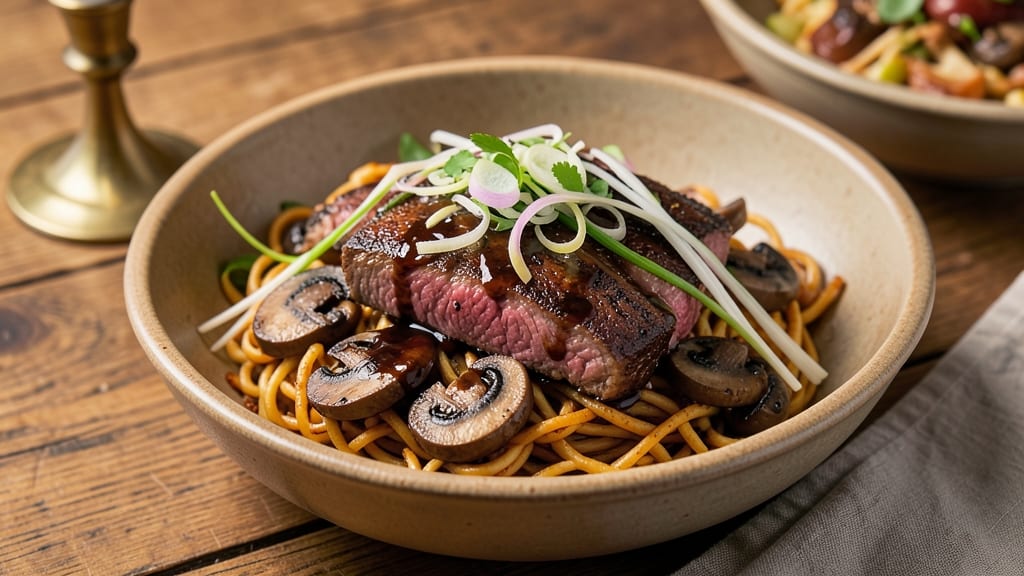
This Beef and Mushroom Jollibee recipe brings the iconic Filipino restaurant’s signature dish to your kitchen with rich, savory soy-ginger gravy and tender beef over egg noodles. 💛 The secret lies in slow-cooking beef until fork-tender, then simmering it in a deep, aromatic sauce that balances sweetness, umami, and a hint of ginger heat—just like the original.
Every spoonful delivers that familiar comfort-food magic, but with restaurant-quality execution at home.
The dish starts with thinly sliced beef (ribeye or sirloin works best) marinated in a blend of soy sauce, black pepper, and a touch of sugar to tenderize and infuse flavor. Mushrooms—cremini or shiitake—add earthiness to the thick, glossy gravy, while garlic and ginger form the aromatic backbone.
The egg noodles (or spaghetti) soak up the sauce perfectly, creating that signature Jollibee texture where each bite is both hearty and delicate.
What makes this recipe authentic is the two-stage cooking process: first searing the beef to lock in juices, then simmering it low and slow until the sauce reduces to a velvety consistency. The result?
A dish that’s deeply satisfying—rich, slightly sweet, and packed with umami—without the grease or shortcuts of some home versions. Serve it with steamed rice to soak up every last drop of that irresistible gravy.
For home cooks, the key is patience: don’t rush the beef, and let the sauce simmer until it thickens naturally. Garnish with chopped green onions for freshness, and you’ll have a dish that tastes like a trip to Jollibee—just with the freedom to make it your own. Let’s get cooking!
Ingredients for beef and mushroom jollibee
Thinly sliced beef, earthy mushrooms, and aromatic soy-ginger sauce make this Jollibee classic unforgettable.
| Ingredient | Amount | Notes |
|---|---|---|
| Ribeye Steak 🥩 | 1 lb | Thinly sliced against grain |
| Egg Noodles 🍜 | 8 oz | Fresh or dried, uncooked |
| Cremini Mushrooms 🍄 | 8 oz | Sliced into thin strips |
| Garlic Cloves 🧄 | 6 cloves | Minced for aromatic base |
| Fresh Ginger 🌿 | 2 tbsp | Finely grated, peeled |
| Soy Sauce 🍶 | ½ cup | Dark or regular, high-quality |
| Black Peppercorns 🌶️ | 1 tsp | Freshly cracked, coarse |
| White Sugar 🍚 | 1 tbsp | Granulated, for balance |
| Vegetable Oil 🫒 | 2 tbsp | High smoke point for searing |
| Green Onions 🧅 | 3 whole | Thinly sliced for garnish |
| Cornstarch 🌾 | 1 tbsp | For thickening sauce |
| Water 💧 | ¼ cup | For cornstarch slurry |
| Sesame Oil 🌰 | 1 tsp | Toasted, for finishing |
The beef is non-negotiable—ribeye or sirloin gives that tender, melt-in-your-mouth texture. Slice it thinly against the grain for perfect bite. Costco or Trader Joe's usually have pre-sliced beef, but if you're cutting it yourself, use a sharp knife and freeze the meat for 20 minutes first to make it easier. The mushrooms? Cremini or shiitake add that deep umami—no need for fancy brands here, just make sure they're fresh and firm. For the garlic and ginger, fresh is a must—dried won't cut it for this dish. I grab my ginger at Asian markets because it's always fresher and more aromatic than the grocery store stuff.
No soy sauce? Coconut aminos in a pinch, but it'll taste different. Fresh ginger too pricey? Powdered ginger at half the amount works, though it lacks that bright zing. Want to skip the sesame oil? Toasted peanut oil gives a similar nutty finish. The cornstarch slurry is key for that glossy, velvety sauce—don't skip it. If you're using dried egg noodles, boil them al dente and drain well so they don't turn mushy in the sauce. Pro tip: Rao's brand soy sauce is my go-to for that authentic depth of flavor, but any good-quality soy sauce will do.
This dish tastes even better the next day—let the flavors meld overnight. Store leftovers in an airtight container in the fridge for up to 4 days. Freezes beautifully for 3 months if you make extra. I always double the sauce because it disappears fast. Garnish with green onions right before serving—they add that fresh pop of color and brightness. Leftovers reheat perfectly in a skillet with a splash of water to loosen the sauce. Trust me, you'll want to make this at least twice.
Why You'll Love This Recipe
- One-Pan Magic: I swear by this recipe on nights when I’d rather not scrub three pots—just sear the ribeye, toss in the mushrooms and garlic, then dump in those egg noodles. The pan does all the heavy lifting while I sip my coffee.
- Umami Bomb: That combo of ribeye, cremini mushrooms, and ginger? It’s like a flavor explosion in your mouth. The mushrooms soak up all the beefy goodness, and the ginger adds just enough kick to make it feel special without trying too hard.
- Lunchbox Hero: Between us, this is my go-to for meal prep. I’ll make a big batch on Sunday, portion the noodles and beef into containers, and boom—easy lunches all week. (Yes, even on a Tuesday night when I’m too tired to think.)
- Budget Steak Night: Honestly, ribeye feels fancy, but you’re not blowing your paycheck here. A single steak stretches across two servings, and the mushrooms bulk it up so it never feels skimpy. My wallet and my family thank me every time.
Step-by-step instructions for beef and mushroom Jollibee-style noodles
Here's how to recreate Jollibee's signature soy-ginger beef and mushroom noodles at home.
🔥 Step 1: Sear the Ribeye for Maximum Flavor
Heat a large skillet over medium-high heat and add the 2 tablespoons vegetable oil. Once shimmering, add the 1 lb ribeye steak sliced against the grain. Let it sear undisturbed for 2-3 minutes until deep brown and slightly crispy on one side—this builds that rich umami foundation.
Flip the beef and cook for another 1-2 minutes until just cooked through (it'll finish in the sauce). Remove and set aside, leaving the rendered beef fat in the pan. That golden crust? That's where all the flavor lives. Don't rinse it out—we're using it to build our sauce.
🍳 Step 2: Build the Aromatic Soy-Ginger Base
In the same skillet, add the 8 oz sliced cremini mushrooms and cook for 5-6 minutes until they release their moisture and turn golden. Push them to one side, then add 2 tablespoons fresh ginger and 6 cloves minced garlic to the empty space.
Sauté these aromatics for 30 seconds until fragrant—you should smell that bright, zesty ginger and sweet garlic. Then pour in the ½ cup soy sauce and 1 tablespoon white sugar. Stir well to deglaze the pan, scraping up all those browned bits that contain concentrated beef flavor.
🥘 Step 3: Thicken the Sauce with Cornstarch Slurry
In a small bowl, whisk together the 1 tablespoon cornstarch and ¼ cup water until smooth. This slurry is your secret weapon for that perfect glossy, clingy sauce. Return the skillet to medium heat and slowly pour in the slurry while stirring constantly.
Let it simmer for 1-2 minutes until the sauce thickens enough to coat the back of a spoon. The sauce should be glossy and slightly sticky—this is what makes Jollibee-style noodles so satisfying. If it's too thick, add 1 tablespoon water at a time until you reach that ideal consistency.
🍲 Step 4: Combine with Noodles and Finish
Bring a large pot of salted water to a boil and cook the 8 oz egg noodles according to package instructions until al dente. Drain and immediately return them to the pot. Add the beef and sauce mixture, tossing everything together until the noodles are fully coated in that rich, savory sauce.
Finish with the 1 teaspoon toasted sesame oil and 3 whole sliced green onions. The sesame oil adds that nutty depth, while the green onions bring freshness to cut through the richness. Taste and adjust seasoning—you might want to add a splash more soy sauce if it needs more umami punch.
🍽️ Step 5: Serve Immediately with Garnishes
Transfer the noodles to serving bowls and garnish with additional sliced green onions. The dish should be served piping hot so that sauce clings perfectly to each noodle. I like to serve it with a side of steamed bok choy or a simple cucumber salad to balance the richness.
This dish is all about that perfect harmony of tender beef, earthy mushrooms, and that addictive soy-ginger sauce. The key is in the technique—the searing, the deglazing, and that cornstarch slurry. Don't rush any of these steps, and you'll have restaurant-quality Jollibee-style noodles right in your kitchen.
Pro Tips For Making Beef And Mushroom Jollibee
- Sear the Ribeye First: The mushrooms and noodles will take forever to finish if you start with them—get that steak in the pan immediately while the heat’s still screaming. A 3-minute sear on each side locks in flavor before you even think about adding the rest.
- Slice Ginger Thinly: That chunky ginger you’re used to? Toss it. Use a mandoline or the thinnest knife you own—we’re talking paper-thin slices so they melt into the sauce without leaving chewy bits. (Yes, it’s tedious, but you’ll taste the difference.)
- Don’t Overcrowd the Pan: I’ve seen people dump all the mushrooms in at once, and suddenly you’re steaming them instead of browning them. Work in batches—2 minutes per side, high heat—so they develop that deep, caramelized edge that makes the whole dish sing.
- Rest the Steak Before Slicing: Cutting into that ribeye the second it hits your plate? You’re fighting for every last juicy bite. Wrap it in foil for 5 minutes—even if you’re starving—or watch it turn into a sad, dry mess. (Your future self will curse you if you skip this.)
Troubleshooting this recipe
Beef Too Tough
If your beef turns out chewy instead of tender, it likely didn’t cook long enough or wasn’t sliced properly. Always slice against the grain and cook until it reaches 160°F internal temperature.
For extra tenderness, marinate the beef for 30 minutes in ¼ cup soy sauce and ½ tsp black pepper before searing. 💡
Sauce Too Thin
A watery sauce usually means the cornstarch slurry didn’t thicken properly.
Mushrooms Too Watery
Overcrowding the pan causes mushrooms to steam instead of brown. Cook them in 2 batches if needed, and always use medium-high heat to evaporate excess moisture. For extra flavor, add ½ tsp soy sauce when cooking mushrooms. If they’re still soggy, pat them dry with a paper towel before cooking. 🍄
Noodles Mushy
Overcooking noodles is the #1 mistake. Cook them 1 minute less than package instructions, then drain immediately. Return them to the pot only after adding the sauce and beef—this prevents them from absorbing too much liquid.
For extra texture, rinse cooked noodles under cold water for 10 seconds before tossing with sauce.
Weak Flavor Profile
If your dish lacks depth, it’s likely missing the Maillard reaction from proper searing. Always brown the beef deeply, and don’t skip deglazing with soy sauce—this extracts maximum flavor from the pan.
Boost umami by adding ½ tsp fish sauce or 1 tsp oyster sauce to the sauce. Fresh ginger and garlic are non-negotiable for authentic flavor.
Sauce Too Sweet
The sugar in the sauce should enhance, not dominate. Reduce the 1 tbsp white sugar to ½ tbsp if you prefer less sweetness. Balance it with an extra ½ tsp black pepper or ¼ tsp red pepper flakes for heat.
Taste as you go—adjust gradually to avoid overpowering the dish. 🌶️
Nutrition facts
Frequently asked questions
Can I substitute egg noodles with spaghetti?
Yes, you can use spaghetti in a pinch, but egg noodles are ideal for their slightly chewy texture that soaks up sauce perfectly. If using spaghetti, cook it 1 minute less than package instructions to prevent mushiness. The dish will still taste delicious, but the texture will be slightly different.
What cut of beef works best for this recipe?
Ribeye or sirloin are perfect—they stay tender when sliced thinly against the grain. Avoid tougher cuts like flank steak unless you marinate them for 2+ hours first. For budget-friendly options, try top round and slice it extra thin.
How do I make the sauce thicker without cornstarch?
Simmer the sauce uncovered for 5-10 extra minutes to reduce moisture naturally. For a quicker fix, mix 1 tsp flour with 1 tbsp water and stir into the sauce—it works similarly to cornstarch but may have a slightly different texture.
Can I make this dish ahead of time?
The flavors improve overnight. Store leftovers in an airtight container in the fridge for up to 4 days. Reheat gently in a skillet with 1 tbsp water to restore sauce consistency. Freeze for up to 3 months—just thaw overnight in the fridge before reheating.
Why does my sauce taste too salty?
Start by reducing soy sauce to ¼ cup if needed, or balance with 1 tbsp water or 1 tsp sugar. Taste as you go—adding a splash of water later is easier than fixing oversalted sauce. For extra depth, stir in ½ tsp fish sauce instead of more soy sauce.