
Main Courses
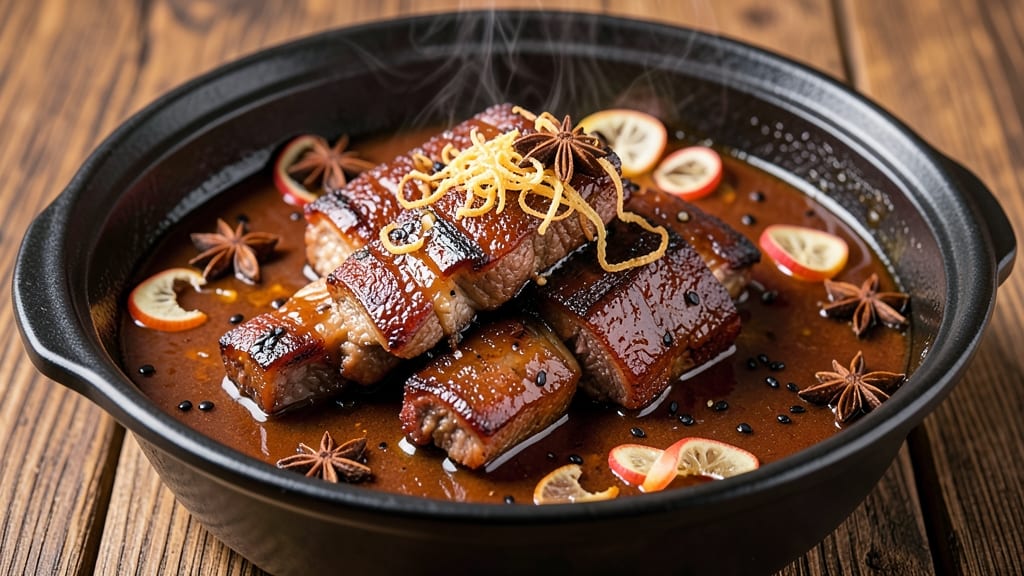
Mastering Chinese braised beef short ribs delivers that deep umami richness you crave in every bite—tender meat falling off the bone, infused with aromatic spices and a glossy, caramelized sauce.
This recipe transforms tough beef into melt-in-your-mouth perfection through a two-step process that balances precision and patience, ensuring restaurant-quality results at home.
The secret lies in the braising technique: first searing the ribs to lock in juices, then slow-cooking them in a flavor-packed liquid of soy sauce, star anise, and ginger until the collagen dissolves into a velvety sauce.
Unlike quick-cook methods, this process develops layers of complexity—sweet from the caramelized aromatics, savory from the soy, and a subtle tang from the vinegar.
By the time you plate these ribs, you’ll have fork-tender beef swimming in a glossy sauce that clings to every bite, with crisp edges from the initial sear.
The aroma alone will have everyone gathering at the table, and the first bite delivers that unmistakable umami depth that defines Chinese braising. Ready in just 2.5 hours, this dish proves patience pays off.
Serve with steamed jasmine rice or crusty bread to soak up every last drop of that rich sauce—this is comfort food at its finest. Let’s get cooking and transform your weeknight into a taste of China.
Ingredients for chinese braised beef short ribs
The secret to restaurant-quality beef short ribs lies in these 15 ingredients—each playing its part.
| Ingredient | Amount | Notes |
|---|---|---|
| Beef Short Ribs 🥩 | 3 lb | Bone-in, 1-1.5 inches thick |
| Soy Sauce 🍶 | ½ cup | High-quality, low-sodium preferred |
| Shaoxing Wine 🍷 | ¼ cup | Or substitute with dry sherry |
| Brown Sugar 🍚 | ¼ cup | Packed, light or dark |
| Star Anise 🌿 | 2 whole | Whole pods, crushed lightly |
| Fresh Ginger 🧅 | 2 oz | Peeled, sliced into 1/4-inch pieces |
| Garlic Cloves 🧄 | 6 cloves | Peeled, smashed slightly |
| Green Onions 🧅 | ¼ cup | Sliced, white and green parts |
| Cornstarch 🌾 | 1 tbsp | For sauce thickening |
| Vegetable Oil 🫒 | 2 tbsp | High smoke point |
| Black Peppercorns 🌶️ | 1 tsp | Coarsely crushed |
| White Pepper 🌶️ | ½ tsp | Ground, for finishing |
| Rice Vinegar 🍶 | 1 tbsp | For subtle tang |
| Sesame Oil 🫒 | 1 tsp | Toasted, for aroma |
| Jasmine Rice 🌾 | 2 cups | Uncooked, for serving |
The beef is non-negotiable. Look for bone-in short ribs at your butcher or the meat counter—Costco or Whole Foods often carry them pre-cut. If you're buying a whole packer, ask for ribs with 1-1.5 inches of meat on the bone for perfect tenderness. Shaoxing wine gives that signature depth, but dry sherry works in a pinch. The star anise and ginger? Buy whole spices—they release flavor better than ground. Fresh ginger is a must here; dried won't cut it for the same aromatic punch.
No Shaoxing wine? Dry sherry or even a splash of red wine keeps the umami intact. Substituting brown sugar? White sugar works, but the caramelization won't be as rich. The cornstarch is key for that silky sauce—don't skip it. For the aromatics, toasted sesame oil adds a nutty finish that store-bought versions miss. If you can't find jasmine rice, long-grain white rice is fine, but the fragrance makes it worth seeking out. The green onions add freshness, so use both white and green parts for maximum flavor.
This dish tastes even better the next day—plan ahead. The ribs keep 3-4 days in the fridge, and the sauce freezes beautifully for up to 3 months. Store the ribs and sauce separately in airtight containers. Reheat gently on the stove with a splash of water to restore that glossy texture. The rice? Cook it fresh when serving—it absorbs the sauce perfectly that way.
Why You'll Love This Recipe
- No-Chop Night Magic: I swear by this recipe when I’m too tired to dice anything. The short ribs just need a quick sear and a simmer—no small prep, no fuss. Just toss them in with the soy sauce and wine, and let the stove do the work.
- Umami Bomb: That first bite? Rich, caramelized beef falling off the bone, kissed by star anise and brown sugar. The Shaoxing wine cuts through the richness, leaving you with a sauce so good you’ll lick the plate. (Yes, I’ve done it.)
- Leftovers That Shine: Make a double batch on Sunday, and you’ve got dinner for the week. The ribs stay tender, the sauce thickens into a glossy glaze—perfect for rice bowls, noodles, or just reheating with a splash of water. My freezer’s always stocked with these.
- Budget Luxury: Short ribs get a bad rap for being pricey, but braising turns them into a showstopper without breaking the bank. A few spices and a splash of wine stretch the meat into multiple meals. Honestly, it’s the kind of dish that makes expensive takeout feel like a waste.
Step-by-step instructions for Chinese braised beef short ribs
Here's how to transform tough beef short ribs into melt-in-your-mouth tenderness using slow braising techniques.
Prepare the Short Ribs for Maximum Flavor
Begin by rinsing the 3 lb beef short ribs thoroughly under cold water and patting them completely dry with paper towels. This step is crucial because any moisture left on the meat will prevent proper browning and sauce development later. Using a sharp chef's knife, trim away any excess fat, leaving just enough to protect the meat during cooking.
In a small bowl, combine the 1 tsp black peppercorns and 0.5 tsp white pepper and coarsely grind them together using a mortar and pestle or the flat side of your knife. This creates a more aromatic pepper blend than pre-ground pepper. Lightly crush the 2 whole star anise pods between the palm of your hand and the side of a knife to release their essential oils without breaking them apart completely.
Rub the ground pepper mixture and crushed star anise all over the short ribs, focusing on the meaty portions. Let them sit at room temperature for 30 minutes while you prepare the rest of your ingredients. This allows the spices to penetrate the meat and develop deeper flavor.
Sear the Short Ribs for Deep Flavor Foundation
Heat a heavy-bottomed Dutch oven or large pot over medium-high heat until it's very hot. Add the 2 tbsp vegetable oil and let it shimmer for about 1 minute. Working in batches if needed, carefully add the short ribs in a single layer, making sure they don't overcrowd the pan.
Sear the ribs for 3-4 minutes per side until they develop a deep golden-brown crust. This caramelization creates the rich, complex flavors that form the base of your braise. If the ribs release easily from the pan, they're ready to move. Transfer them to a plate and set aside.
Here's the thing—don't rush this step. You want that beautiful mahogany crust that will dissolve into the sauce later, creating layers of umami flavor. If your pan gets too crowded, the ribs will steam instead of sear, and you'll lose that crucial crust.
Build the Aromatic Braising Liquid
In the same Dutch oven, reduce the heat to medium and add the 2 oz fresh ginger and 6 cloves garlic cloves. Sauté for 1-2 minutes until the ginger becomes fragrant and the garlic turns golden around the edges. This releases their essential oils and forms the aromatic base of your braise.
Pour in the 0.5 cup soy sauce, 0.25 cup shaoxing wine, and 0.25 cup brown sugar, stirring to combine. The mixture will bubble vigorously as the alcohol cooks off. Let it simmer for 3-4 minutes until the liquid reduces by about one-third and the sugar begins to caramelize slightly.
Return the seared short ribs to the pot, along with any accumulated juices from the plate. The juices contain precious flavor that shouldn't be wasted. Add 1 cup of water (enough to come about halfway up the ribs) and bring the mixture to a gentle simmer.
Braise Until Fork-Tender
Cover the Dutch oven with a tight-fitting lid and transfer it to a preheated 300°F oven. Braise for 2.5-3 hours, turning the ribs occasionally to ensure even cooking. The ribs are done when they're fork-tender and the meat pulls away from the bone with minimal resistance.
Here's where patience pays off. The collagen in the connective tissue breaks down during this long, slow cook, transforming tough meat into something silky and luxurious. Check the liquid level occasionally and add ¼ cup hot water if it reduces too much before the ribs are fully tender.
About 30 minutes before the ribs are done, prepare the 2 cups jasmine rice according to package instructions. The rice should be ready to serve just as the ribs finish cooking.
Finish and Serve with Perfect Sauce
Once the ribs are fork-tender, carefully remove them from the pot and set them aside on a plate. Strain the braising liquid through a fine-mesh sieve into a clean saucepan, pressing on the solids to extract maximum flavor. This removes the star anise and ginger pieces while keeping all the delicious liquid.
Return the strained liquid to the Dutch oven and increase heat to medium-high. Stir in the 1 tbsp cornstarch mixed with 1 tablespoon cold water to create a smooth slurry. Bring to a gentle boil, stirring constantly, until the sauce thickens enough to coat the back of a spoon, about 2-3 minutes. Remove from heat and stir in the 1 tbsp rice vinegar and 1 tsp sesame oil. The sesame oil should be added last to preserve its delicate aroma.
Slice the short ribs against the grain into ½-inch thick pieces and arrange them over the cooked jasmine rice. Ladle the thickened sauce generously over the top and garnish with the 0.25 cup green onions, sliced both white and green parts. Serve immediately with extra sauce on the side for dipping.
Pro Tips For Making Chinese Braised Beef Short Ribs
- SEAR THE RIB BONES: Hit those ribs hard with a dry sear—cast iron or heavy pan—until the bones are deep golden, not just the meat. I learned this the hard way: pale bones mean flavor hiding in the sauce instead of clinging to the ribs. Five minutes per side, no rushing.
- SALT THE RIB BONES: Generously coat the short ribs with kosher salt before searing—at least 15 minutes ahead. This breaks down the collagen faster and keeps them from drying out later. (Yes, even if you’re impatient like me.)
- DEGLAZE WITH SHAOXING WINE: After searing, pour in the Shaoxing wine immediately while the pan is still smoking hot. Let it bubble for 30 seconds—this extracts the deep, nutty flavors instead of just using it as a liquid. Skip this, and you’re missing the soul of the dish.
- SIMMER LOW AND LONG: Once braised, keep the heat at a gentle simmer—just small bubbles breaking the surface—so the sauce thickens without curdling. I used to crank it up, and the sauce would split every time. Patience here makes all the difference.
Flavor customization for this dish
Sweet-Savory Balance
Adjust the sugar-to-soy ratio to suit your taste—more brown sugar (up to ½ cup) deepens caramelization, while extra soy sauce (up to ⅔ cup) intensifies umami.
For a sweeter profile, add 1 tbsp honey when building the braising liquid. I find light brown sugar creates a smoother sauce than dark varieties. 🍯
Spicy Kick Options
Infuse heat by adding 1 tbsp chili crisp or 1 tsp Sichuan peppercorns to the braising liquid. For a smoky twist, swap ½ cup of the water for ½ cup chicken stock> and add 1 dried red chili.
The Sichuan peppercorns add a tingling sensation that pairs perfectly with the rich beef.
Herb Variations
Swap the green onions for cilantro or Thai basil in the garnish. For a more complex herb profile, add ½ cup chopped cilantro stems to the braising liquid during the final 30 minutes>.
The stems release flavor without overpowering the dish. Fresh cilantro adds brightness that cuts through the richness.
Alcohol Swaps
Replace Shaoxing wine with dry sherry>, mirin, or even apple cider vinegar> for tang. I prefer dry sherry> because it maintains the same umami depth without altering the sauce's balance. For a non-alcoholic version, use ½ cup apple juice> plus 1 tsp vinegar.
Texture Contrasts
Add ½ cup shiitake mushrooms> sliced and seared with the ribs for earthy depth. For crunch, top with toasted sesame seeds> or crispy fried shallots.
The mushrooms absorb the sauce beautifully, while the fried shallots add a luxurious finish. I especially love this variation when serving to guests who enjoy texture play.
Regional Twists
For a Cantonese-style version, reduce the sugar to ¼ cup> and add 1 tsp five-spice powder> to the marinade. The five-spice adds warmth that complements the beef's natural richness.
For a Sichuan-inspired> dish, include 1 tbsp doubanjiang> (fermented chili bean paste) in the braising liquid for funky depth. 🌶️
Nutrition facts
Frequently asked questions
Can I use bone-in or boneless beef short ribs for this recipe?
This recipe is designed for bone-in beef short ribs—the bones add incredible depth of flavor as they braise. However, you can use boneless short ribs if needed, but expect slightly less richness in the sauce. For boneless ribs, reduce the braising time to 2 hours since they cook faster. The meat will still be tender, though the sauce won't have the same complexity.
What if I don’t have Shaoxing wine? Can I substitute it?
Shaoxing wine adds that signature umami depth, but you can substitute with dry sherry (best choice), mirin, or even apple cider vinegar for tang. For a non-alcoholic option, use ½ cup apple juice + 1 tsp vinegar. Just remember that sherry or mirin will give you the closest flavor profile to the original.
How do I know when the beef short ribs are fully tender?
The ribs are done when they're fork-tender—meaning a fork should slide through them with minimal resistance. Insert the fork into the thickest part of a rib; if the meat pulls away easily and the juices run clear, they're ready. This usually takes 2.5-3 hours in the oven. If you're unsure, cut into one rib early—it's better to braise a little longer than risk toughness.
Can I make this recipe in a slow cooker instead of the oven?
Yes! For a slow cooker version, sear the ribs as directed, then transfer them to the slow cooker with all the braising ingredients (except cornstarch). Cook on low for 6-7 hours or high for 4-5 hours. Finish by thickening the sauce on the stovetop with cornstarch. The slow cooker method is perfect for hands-off cooking, though the sauce may be slightly thinner than oven-braised.
Why is my sauce too thin? How can I fix it?
If your sauce is too thin, it likely didn’t reduce enough during braising. To fix it, simmer the sauce uncovered on the stovetop for 10-15 minutes to evaporate excess liquid. For a quicker fix, mix 1 tbsp cornstarch with 1 tbsp water, stir into the sauce, and cook until thickened. If the sauce is still too thin after thickening, reduce the liquid further or add a splash of sesame oil for richness.